
Rigid Phlogopite Mica Sheets
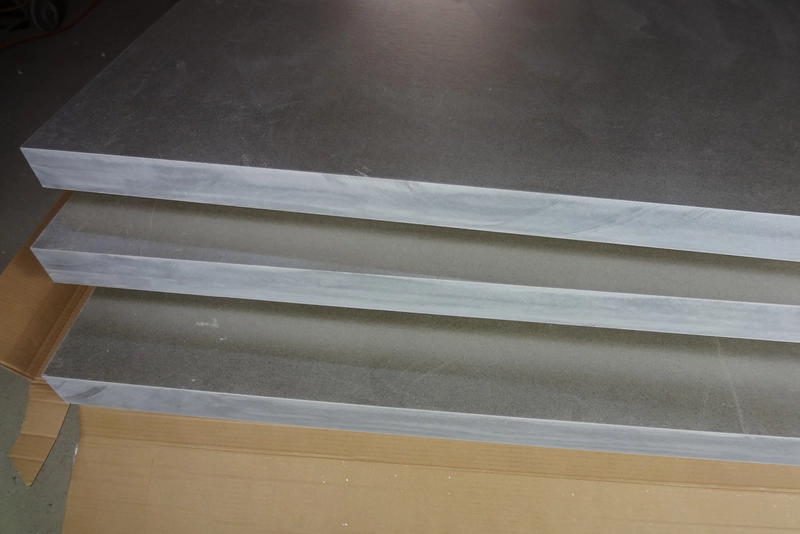
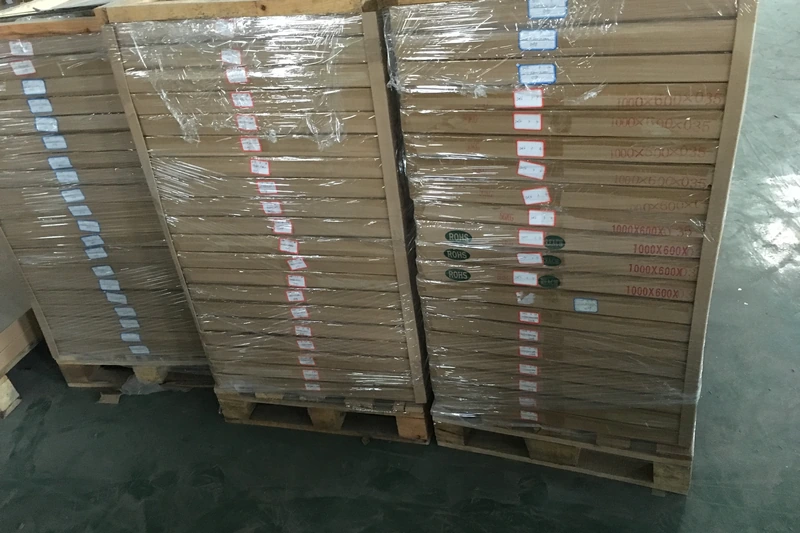
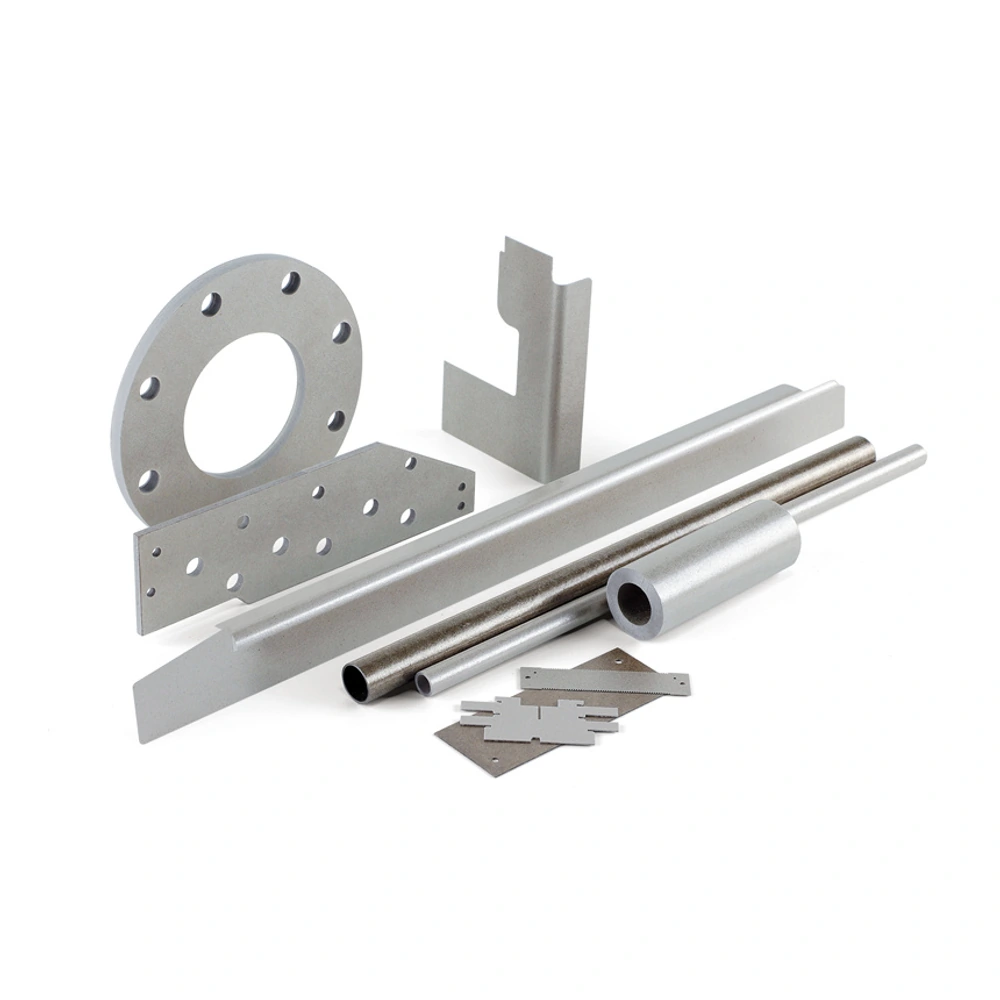
Mica-family material illustration; confirm the exact grade and finished form when enquiring.
Phlogopite mica sheets are considered where a flat insulating component must operate near a significant heat source. Their rigid laminated form is relevant to thermal barriers, backing plates, equipment partitions and spacers that need a defined shape. Unlike a flexible mica wrap, a rigid board is selected around a flat mounting arrangement and the geometry of the finished part.
• Material: Rigid Phlogopite Mica Sheets
• Format: discuss the required sheet or finished component
• Dimensions: review thickness, outline and fitting features
• Duty: thermal, electrical and mechanical requirements
• Machining: cut profiles, holes and openings by agreement
• Documentation: match the selected construction and application
Format and Dimensional Selection
|
Part arrangement |
Geometry to define |
Thermal-design question |
Mechanical-design question |
Review evidence |
|---|---|---|---|---|
|
Flat heat barrier |
Length, width, thickness and openings |
Where does heat enter and where must it be limited? |
How is the barrier held and supported? |
Assembly section identifying hot and protected faces and support points. |
|
Heater backing plate |
Profile, fixing pattern and contact faces |
Is exposure continuous or linked to a heating cycle? |
Which areas carry the assembly load? |
Heating-cycle description linked to fixing positions and contact faces. |
|
Insulating spacer |
Thickness, footprint and clearance holes |
What temperatures reach each contact face? |
Does the complete stack remain correctly aligned? |
Stack drawing showing alignment and the loaded contact arrangement. |
|
Equipment partition |
Overall outline and access cut-outs |
Are local hot spots different from the surrounding temperature? |
Can expansion occur without forcing the sheet to bend? |
Equipment layout locating openings relative to heated components. |
|
Machined profile |
Datum features, slots and finished tolerances |
Which features sit nearest the heat source? |
Are narrow sections protected from edge damage? |
Finished drawing identifying critical features near the heat source. |
Material Performance and Selection
|
Selection factor |
Phlogopite sheet perspective |
Design implication |
Information to review |
|---|---|---|---|
|
Thermal priority |
Generally considered for higher heat exposure than muscovite. |
Select the finished laminate against the actual duty, not the mineral name alone. |
Material construction and an exposure description for the component location. |
|
Electrical separation |
Combines a heat-resistant material family with electrical insulation. |
Review electrical performance at the operating temperature. |
Electrical requirements evaluated under relevant hot operating conditions. |
|
Exposure duration |
A heat peak differs from a sustained operating condition. |
State duration and cycling alongside temperature. |
A duty description distinguishing continuous use, peaks and repeated events. |
|
Heat-transfer path |
A sheet can separate components along a defined physical path. |
Consider thickness, contact area and the complete assembly. |
Assembly section showing the direction of heat transfer and contact areas. |
|
Rigid construction |
Provides a flat component rather than a conformable wrap. |
Use a flexible construction if the design requires bending. |
Mounting geometry confirming that forced bending is not required. |
|
Binder and lamination |
The finished board is more than unbonded mineral mica. |
Include laminate integrity in thermal evaluation. |
Documentation for the complete bonded sheet, not the mineral alone. |
|
Fabricated features |
Slots, holes and narrow profiles change the local geometry. |
Check dimensions and edge integrity on the finished component. |
Finished-part inspection around openings, edges and narrow sections. |
Phlogopite mica sheets are considered where a flat insulating component must operate near a significant heat source. Their rigid laminated form is relevant to thermal barriers, backing plates, equipment partitions and spacers that need a defined shape. Unlike a flexible mica wrap, a rigid board is selected around a flat mounting arrangement and the geometry of the finished part. The material family combines heat resistance with electrical insulation, making it useful to evaluate when those requirements meet within the same component. However, phlogopite identifies the mineral rather than the complete product specification. The board also includes a bonding system and a particular construction. Understanding that distinction keeps selection focused on the laminate used in the equipment, instead of assuming that a general statement about the mineral describes every sheet or fabricated profile made from it.
Compared with muscovite, phlogopite is generally a starting point when higher thermal endurance drives the design. That does not make it a universal substitute or remove the need to assess electrical and mechanical conditions. Establish the exposure at the mica component, including whether heat is sustained or occurs in shorter events. A furnace setting or heater label may not describe the temperature at every contact face. Consider how the part is supported, where heat enters and which neighbouring area is being protected. Thickness and openings influence the physical arrangement, while mounting can introduce restraints that do not exist in an unassembled sheet. Reviewing these factors together helps distinguish a material suited to the actual duty from one selected only because a headline temperature appears high. The finished laminate and its use remain the relevant basis for comparison.
A useful Normanson Mica enquiry connects the heat source with the component’s function. Describe whether the part separates hot and cooler areas, supports a heated assembly or electrically isolates live components near heat. Provide the outline, thickness, openings and mounting arrangement, identifying the dimensions that control fit. Clarify whether the requested form is a blank sheet or a finished profile so the fabrication discussion matches the intended scope. For a replacement, explain the existing component’s role rather than relying solely on a product name or colour. This information supports a structured comparison of rigid phlogopite with muscovite, flexible mica or a specialist construction when the duty calls for one. It also keeps material selection, geometry and inspection connected, so a promising board is evaluated as part of the equipment instead of treated as an isolated catalogue item.
Designing Your Mica Component
Rigid phlogopite sheet can form the starting material for barriers, spacers and shaped insulation parts. Select the fabrication route around thickness, openings and internal features rather than the application temperature alone. Heat resistance does not remove the need to produce a sound edge and an accurately defined component profile.
For a heated assembly, show where the part is supported and which faces contact neighbouring components. Mark functional dimensions and locate openings relative to the mounting arrangement. This allows the drawing to explain how the component fits, instead of leaving fabrication decisions dependent on an outline that omits important contact or fastening details.
Inspect the finished profile for dimensional fit and material integrity, particularly around holes, slots and narrow sections. Cracks or separation between layers matter even when the overall size is correct. A trial component can then be evaluated in its intended mounting, connecting the proposed fabrication route with the actual thermal and electrical duty.
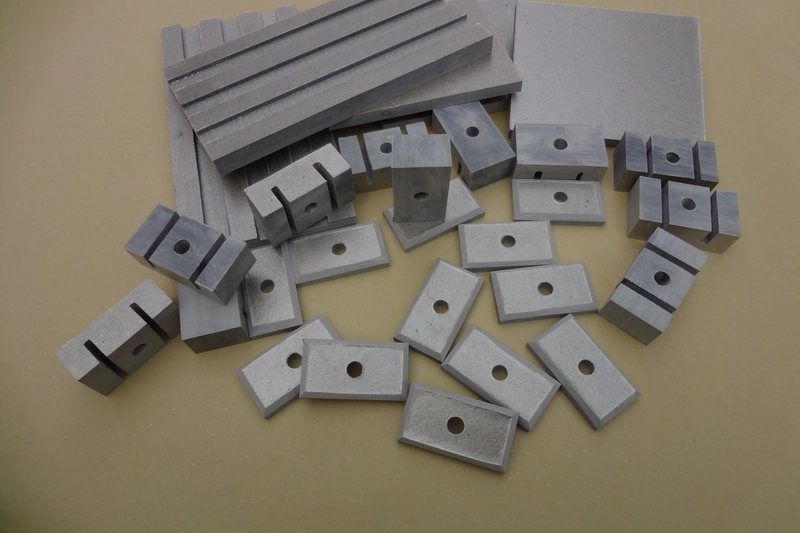
Match the material construction to the way the finished component will be used.
Main Benefits of Phlogopite Mica Sheets
Where This Construction Fits
Industrial heat barriers
A rigid mica barrier can separate a hot zone from an adjacent component. The relevant material choice depends on the actual exposure and mounting, not simply the furnace or machine’s nominal temperature.

Heated equipment components
Backing plates and spacers may need both insulation and a defined flat shape. Coordinate the material with the contact faces, fastening arrangement and heating cycle.
Electrical insulation near heat
Where live parts operate close to heat sources, assess the electrical and thermal duties together. A suitable ambient electrical result does not replace evaluation under the intended hot condition.
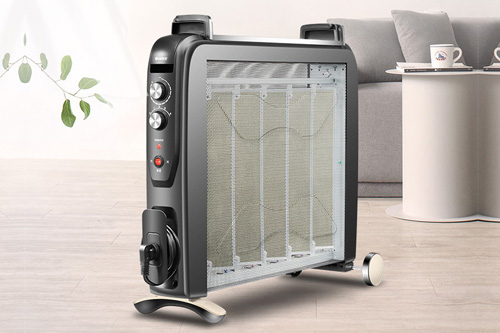
Heater winding boards
A rigid mica board can be considered for a defined support profile within a heater assembly. Review the winding arrangement, openings and mounting together, keeping electrical separation and local heat exposure part of the same component assessment.
Handling and Assembly Review
Keep the material supported during handling and inspect the finished edges, openings and contact faces before assembly. Review fastening, electrical clearances and heat exposure against the selected construction. A material-level property is not a rating for the complete equipment.
Why consider phlogopite instead of muscovite?
Phlogopite is generally considered when higher thermal endurance is the leading requirement, especially for flat insulating parts close to significant heat sources. Muscovite remains relevant where electrical insulation is a central priority, but the comparison should not stop at the mineral name. The finished laminate includes a binder and a particular construction, and its thickness and mounting affect how it functions in equipment. Compare equivalent rigid products against the actual heat exposure, electrical duty and mechanical arrangement. A change to phlogopite is not automatic approval to increase an operating temperature or keep every other design detail unchanged. The useful outcome is a material choice that addresses the whole component, rather than simply choosing the mineral associated with the highest heat resistance.
Is there one temperature limit for every phlogopite sheet?
No. A single temperature limit cannot describe every phlogopite sheet because the products differ in binder, construction and intended function. The meaning of a temperature statement also matters. A continuous rating, a short heat peak and a test of a complete assembly describe different situations. When evaluating a board, identify which condition the published information addresses and compare it with the exposure at the actual component. Do not use a raw mineral limit as the operating rating of a resin-bonded laminate. Nor should a result for a flexible or specialist gasket construction be transferred to a rigid board. The appropriate limit belongs to the selected finished material and the relevant conditions, not to the word phlogopite by itself. When two data sheets use the same word temperature but describe different exposure durations, their figures are not directly comparable. Keep the exposure description beside the rating during review so that a short event is not silently converted into an ongoing service condition.
Does higher heat resistance mean better electrical insulation?
Not necessarily. Thermal endurance and dielectric behaviour are separate aspects of material selection. A board may be attractive for a hotter location without being a universal electrical upgrade over another construction. Electrical data must also be read with its test conditions, including temperature, rather than compared as isolated headline numbers. Begin by defining both duties of the component: the heat it encounters and the electrical separation it must provide. Then compare suitable finished laminates in equivalent forms. If a design changes from muscovite to phlogopite for thermal reasons, reassess the relevant electrical conditions instead of assuming they improve automatically. The choice should satisfy the combined duty of the assembled part, not win a comparison based on one property alone.
Can the rigid board be curved during installation?
A rigid phlogopite board should be treated as a flat laminated component, not as a sheet intended to bend during installation. Forcing a rigid board around a curve can damage its layers or edges and undermine the reason for choosing a defined flat form. If the installation requires a wrap or curved liner, evaluate a flexible construction made for that role. Review the actual mounting shape before selecting the material: a flat barrier fixed beside a hot component differs from insulation that must follow its circumference. Choosing the correct product form early avoids using assembly force to compensate for an unsuitable material format.
What determines the thickness of a thermal barrier?
Thickness should be chosen with the heat-transfer path, available space and mechanical arrangement in mind. The barrier is part of an assembly, so its contact faces, exposed area and position relative to the heat source matter alongside the sheet itself. Increasing thickness may alter the fit of fasteners, openings or neighbouring components, while a thinner board may need a different support arrangement. Start by identifying where heat enters the part and which adjacent area is being protected. Then define the geometry and the electrical duty, if any. A material comparison can inform that decision, but it cannot establish the performance of every finished barrier. Evaluate the selected thickness in the actual layout rather than assuming a thicker sheet alone resolves the thermal requirement. If electrical insulation is also required, the proposed barrier must be reviewed for that duty as well. A change intended to improve the heat path can change the component geometry, so thermal and electrical decisions should remain connected throughout the thickness selection.
Why should the heating cycle be described?
The heating cycle helps distinguish sustained exposure from short or repeated heat events. Those are not equivalent conditions for a bonded laminate, even when the highest temperature is the same. Describe whether the component remains hot, heats only during part of a process, or encounters separate peaks. This information makes it possible to compare material data with the intended duty instead of selecting a board from a peak value alone. A useful assessment therefore includes when and for how long heat reaches the component in its normal mounting position, not just a single temperature attached to the equipment.
Is the furnace setting the sheet’s actual temperature?
Not always. A furnace setting describes a controlled condition in the equipment, whereas the mica component may sit in a different location or touch parts with a different thermal exposure. Its position, contact faces and surrounding insulation influence the conditions it experiences. A board beside a hot zone should therefore be assessed at its own service location, not approved solely against the machine’s nominal setting. Identify the exposed face, any contact with heated components and the part of the assembly intended to remain cooler. Also distinguish steady operation from separate heat events. This keeps material selection focused on the component’s real duty and avoids treating an equipment label as a complete description of the laminate’s operating environment.
Which component shapes suit rigid phlogopite?
Flat partitions, thermal barriers, backing plates, washers and spacers are useful starting shapes for rigid phlogopite. They use the material as a defined component rather than a conformable wrap. Suitability still depends on the complete geometry. Openings, narrow sections and mounting holes influence fabrication and handling, while the contact faces help determine how the part works in the heated assembly. Include thickness, openings near fasteners and critical fitting dimensions when discussing a profile, not just its outer outline. Evaluate the finished shape in its intended mounting arrangement before treating a general product form as an approved component.
What matters when drilling or cutting the sheet?
The key is to produce the required geometry while preserving the integrity of the laminated material. Tooling and process choices should reflect thickness, opening size and the shape of narrow features rather than assuming every mica board can be handled in the same way. Pay particular attention to holes, slots and internal corners, where the finished edge becomes part of the component’s function. After fabrication, check for chipping, cracking or separation between layers as well as dimensional accuracy. A part can meet its overall outline while still having damage near a fastening point. For a new or detailed profile, assessing a fabricated sample helps connect process choice with the actual fit and material condition required by the assembly. An internal cut-out may introduce a narrow bridge that deserves closer inspection than the broad outer edge. The drawing should make such features visible to the fabricator, allowing process planning to focus on the areas most likely to determine whether the finished part is usable.
Can a rigid phlogopite board replace a gasket?
Not automatically. A rigid board is selected for a defined insulating form, while a gasket must also meet the joint’s sealing and compression requirements. Both may contain phlogopite without sharing the same construction or behaviour. The presence of a heat-resistant mineral therefore does not establish interchangeability. Review the function of the original part: does it act as a flat spacer, or must it accommodate mating surfaces and maintain a seal? Consider the contact arrangement and loading alongside heat exposure. Where sealing is required, evaluate an appropriate gasket construction rather than treating a rigid insulating sheet as a direct substitute. Material selection should follow the joint’s actual job, not a similarity in colour, mineral name or outline.
Does the resin influence high-temperature behaviour?
Yes. The resin is part of the finished laminate, helping bind the mica into a usable sheet. Its presence is one reason the thermal behaviour of a bonded board cannot be described solely by the heat resistance of raw phlogopite. Different constructions and bonding systems can lead to different service limits and uses, even within the same mineral family. Compare information for the actual laminate and distinguish continuous exposure from short heat events. The board must also remain appropriate for its role after cutting and within its mounting arrangement. A mineral-level comparison is useful at the start of selection, but an assessment of high-temperature service needs to include the complete material rather than overlooking the binder.
Should electrical performance be checked while hot?
If the component operates hot, its electrical evaluation should address that condition rather than rely only on an ambient result. Published dielectric data describe particular specimens and test conditions; they do not automatically cover every temperature or assembled geometry. Begin with the actual electrical duty and the temperature at the insulating part, then compare relevant information for the selected laminate. The finished component also has edges, openings and mounting interfaces that are absent from some material tests. Where electrical separation and heat resistance are both important, assess them together. A successful room-temperature check can be useful evidence, but it does not by itself establish how the complete part will perform in its intended heated assembly.
Can a thicker sheet solve mechanical loading concerns?
A thicker sheet can change stiffness, but thickness alone does not establish an acceptable mechanical design. The contact area, unsupported regions, fastening arrangement and shape of holes or slots also influence how the component is loaded. Increasing thickness may alter the fit of the assembly without addressing a narrow contact point or an unsuitable support pattern. Review where the load enters the part and how it is supported before deciding that more material is the answer. Consider the heat exposure at the same time, because this is a heated assembly rather than an isolated room-temperature board. The relevant assessment concerns the finished component and its restraints, not a general assumption that every thicker phlogopite sheet is mechanically adequate.
Why evaluate a fabricated sample?
A fabricated sample reproduces features that a plain sheet or material coupon does not contain. Its edges, holes, slots and contact faces show how the proposed laminate behaves as the intended component. This makes the sample useful for checking dimensional fit, mounting and visible fabrication damage before relying on the design more broadly. It also helps separate a material-selection issue from a geometry or process issue: an unsuitable opening or damaged edge is not revealed by a generic sheet description. Evaluate the sample in the relevant assembly and exposure conditions, not only on a bench. A satisfactory visual fit is valuable, but it should be considered alongside the component’s required thermal and electrical function rather than treated as complete approval on its own. Retain the distinction between a representative trial part and the requirements for later production. A sample informs the design and fabrication assessment; its existence does not create a universal performance claim for every size or construction sold under the same material name.
How can a phlogopite enquiry be made specific?
Describe what the component does before listing dimensions. State whether it separates a hot zone, supports heated equipment or provides electrical insulation near heat. Include the outline, thickness, openings and mounting arrangement, with critical fitting features distinguished from general dimensions. Explain the exposure at the part, separating sustained operation from heat peaks or cycles, and identify any electrical duty. Also make clear whether the enquiry concerns a sheet blank or a finished profile. These details connect the material choice to the assembly instead of reducing the request to a generic phlogopite name. For a replacement part, describing its function and interfaces is more useful than assuming another material’s label proves an equivalent construction or service capability.
Let Us Talk Now
Share your material, dimensions, quantity and application. We will review the details with you.