
Custom Mica Machining
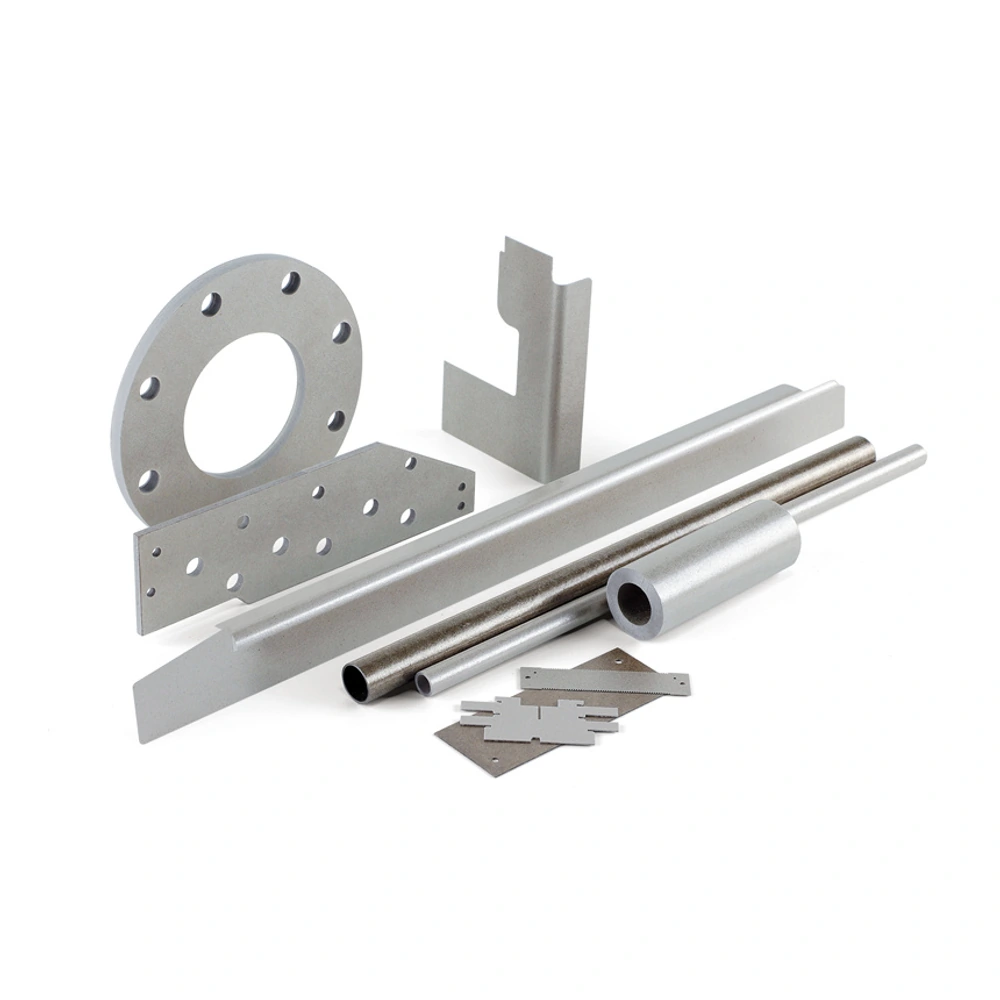
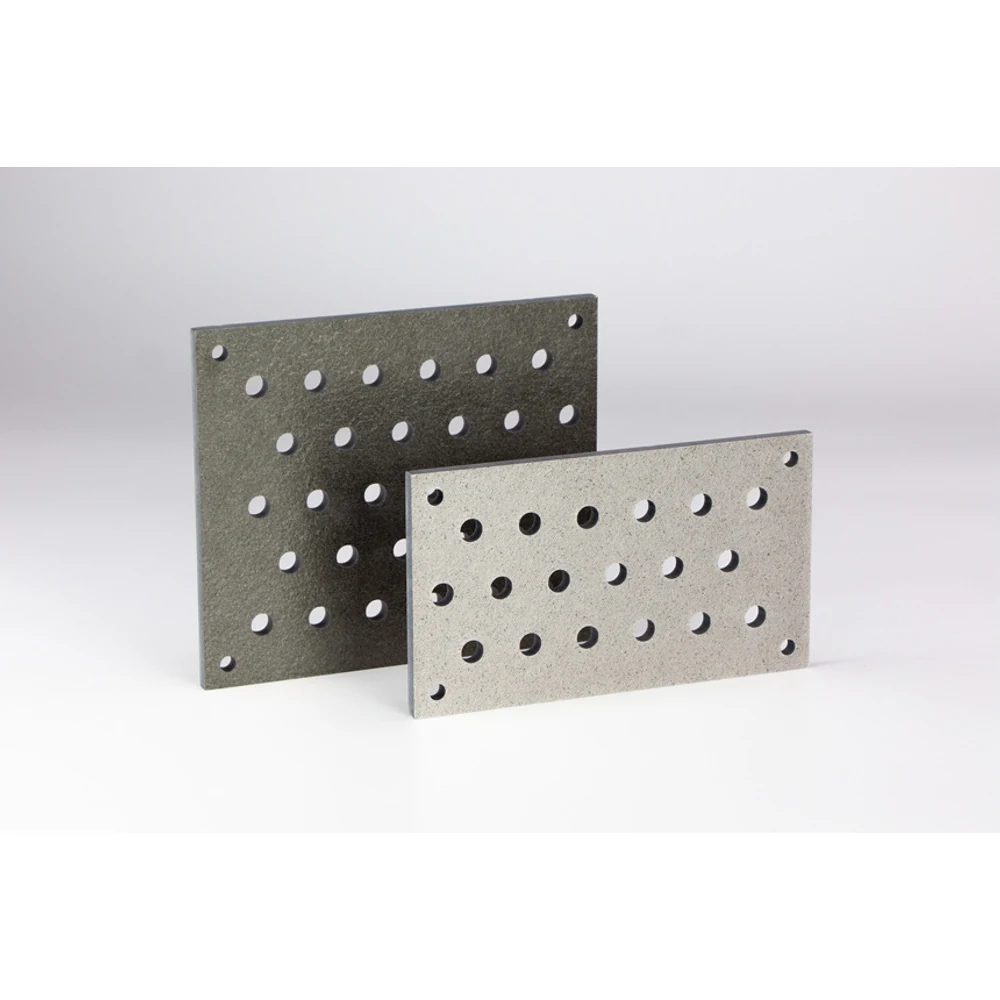
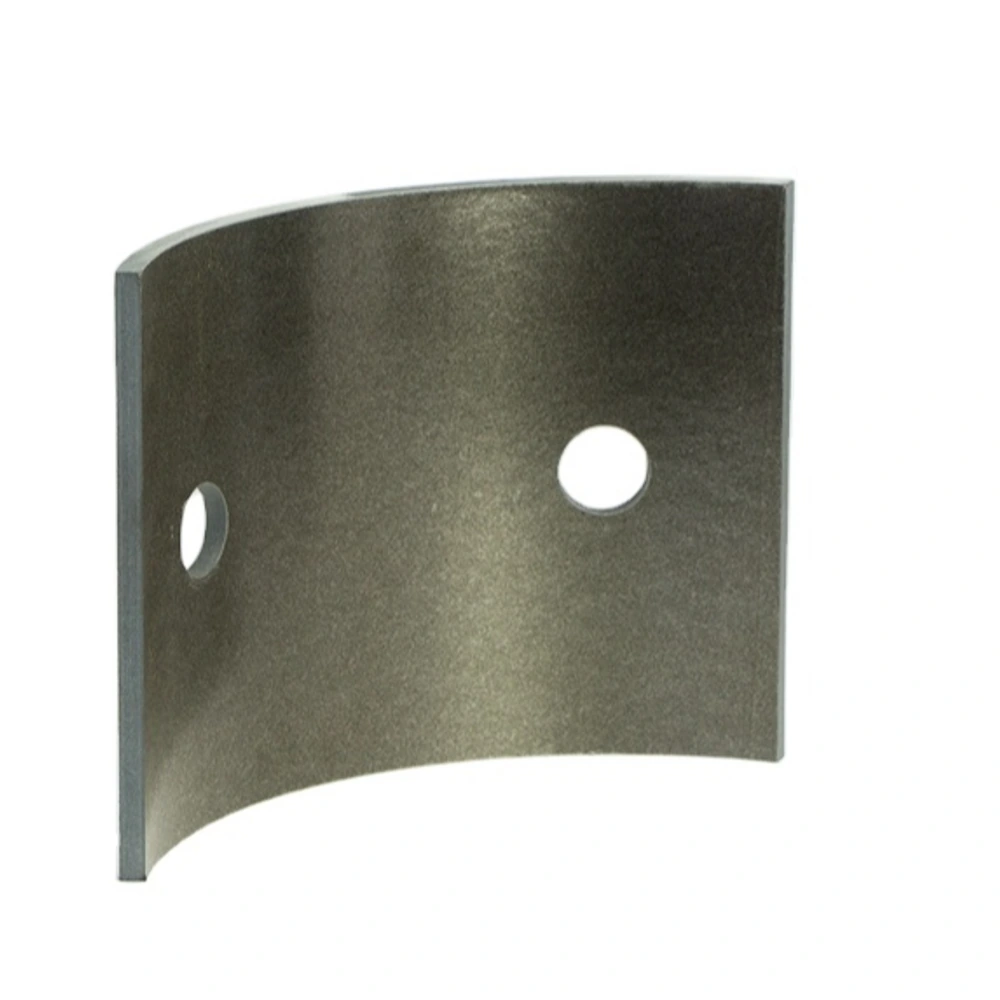
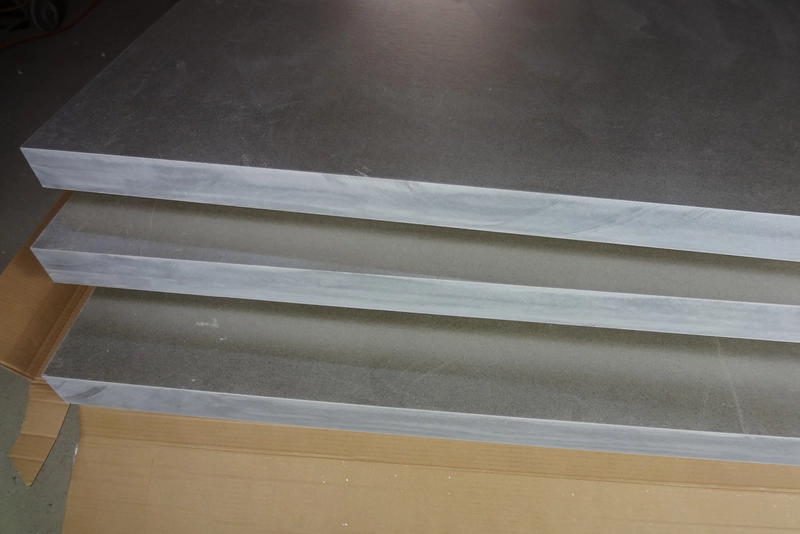
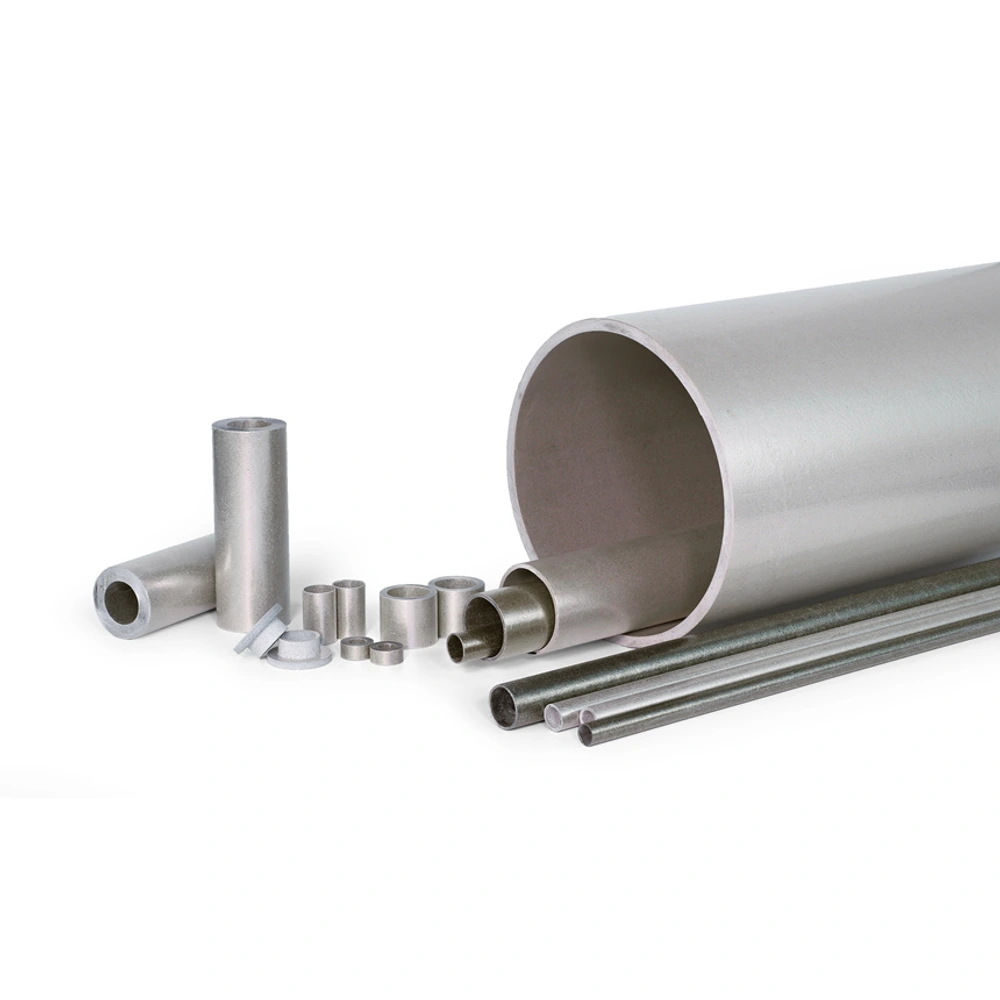
Customer-provided mica component examples. The finished shape, material construction and dimensions are specific to the agreed drawing.
A drawing-led enquiry route for mica insulation components, connecting material selection, finished geometry and inspection requirements before a quotation is agreed.
• One controlled definition of the finished component
• Drawing and application reviewed together
• Critical fits and contact faces identified
• Process proposal matched to material and geometry
• Changes documented before order confirmation
• Inspection and supply scope agreed per enquiry
Drawing-led enquiry package
|
Information |
Include |
Purpose |
|---|---|---|
|
Part definition |
Reference, revision, units and geometry |
Establishes one controlled requirement |
|
Material |
Specification or actual service conditions |
Supports selection review |
|
Critical features |
Fits, openings and contact faces |
Directs process and inspection discussion |
|
Assembly context |
Views, photographs and support details |
Explains the component’s function |
|
Order scope |
Quantity, sample purpose and required records |
Defines what the quotation must address |
From enquiry to an agreed component
|
Review stage |
Question |
Item to confirm |
|---|---|---|
|
Definition |
Do the supplied files describe one version? |
Controlled drawing |
|
Feasibility |
Can material and geometry be considered together? |
Proposed route and any changes |
|
Acceptance |
Which characteristics need verification? |
Inspection basis |
|
Quotation |
What is included in this order? |
Material, part and documentation scope |
Understanding Custom Mica Machining
Custom mica machining begins with the component requirement rather than a catalog shape. This service enquiry is intended for a drawing that combines features, a revised insulation part or a design that does not fit neatly into one product group. It focuses on what must be defined and agreed before a specific component is quoted.
The starting information should connect the material with its use. Explain the electrical separation, thermal exposure and mechanical support expected in the assembly. Include an existing material specification where one applies, but avoid assuming that a similar-looking sheet or a different manufacturer’s grade is interchangeable. The construction and finished geometry need to be considered together.
A useful drawing package identifies the finished outline, openings, thickness and important contact faces. It also distinguishes essential fit requirements from dimensions that can be discussed. Normanson Mica can review a drawing-based enquiry without presenting a fixed machine list or promising that every requested feature, process or tolerance is achievable. The quotation defines the agreed scope.
Construction and Order Options
Begin with a controlled drawing or a clearly dimensioned sketch. Include units, a revision and separate references for different parts. An assembly view or photographs can explain orientation and access, while a model may help describe a complex contour. Supporting files should agree with the drawing rather than introduce competing versions of the same feature.
Processing options may involve cutting, drilling, punching or other shaping approaches, depending on the material and design. Specify a process only when it is genuinely required by the application; otherwise, define the finished result and allow the route to be reviewed. Any proposed change to geometry, material or acceptance should be recorded before the order is confirmed.
Describe the quantity and purpose of the enquiry, such as a development component, replacement part or repeat order. These details help frame the process and inspection discussion without implying a minimum quantity, tooling policy or lead-time promise. If particular documents or checks are required, include them in the enquiry so they can be considered as part of the quotation.
Application Review
For a new design, the service enquiry can bring together several insulation features in one defined part. Show how it locates and which surfaces or openings affect the assembly. Keep the component review separate from equipment qualification so an agreed machining drawing is not mistaken for proof of system-level performance.
For replacement work, compare the existing component with the current equipment and identify the reason for replacement. A worn sample can help explain the shape but may conceal the intended original dimensions. Record damage and distinguish known information from assumptions before using the sample to develop a new drawing.
For a design revision, identify exactly what has changed and why. A moved hole, revised thickness or different material can affect more than one feature of the assembly. Clear revision control allows the enquiry to address the change deliberately rather than carrying forward an older requirement that no longer applies.
Handling, Fit and Inspection
Before an order, agree the part definition, material description and acceptance requirements. Identify the dimensions that will be checked and any records included in the supply scope. If a development sample is needed, describe what it is intended to establish; dimensional review and application testing answer different questions and should not be confused.
On receipt, compare identification and revision information with the order, then inspect the agreed features and visible condition. Keep similar parts separated by reference. Any discrepancy should be reviewed before installation, rather than corrected by uncontrolled drilling, trimming or bending that changes the supplied component and its intended insulating function.
For later enquiries, keep a record of the approved drawing and any agreed changes. State whether material, operating conditions and inspection requirements remain the same. This makes a repeat-order discussion more reliable without assuming that a previous shape, process proposal or delivery arrangement applies automatically to a new order.
How is custom machining different from the machined-parts category?
The machined-parts category helps a buyer find a familiar shape, such as a washer, flange or profile with openings. Custom machining is the enquiry route for defining and reviewing an individual drawing, including a part that combines several shapes or does not fit one category. It focuses on the material requirement, geometry, critical features and acceptance basis before a quotation is agreed. The same component may be relevant to both pages, but the purpose is different: one organizes product forms, while the other explains the drawing-led review. Neither page implies that every design or requested tolerance is available without confirmation.
What files are needed to begin a drawing review?
Begin with a controlled drawing or a dimensioned sketch that states units, a part reference and a revision. Include the outline, thickness, openings and any important contact faces. An assembly view and photographs are useful when orientation, support or access is not obvious. A model can help describe a complex shape, but its dimensions should not conflict with the drawing. If some information is estimated, identify it clearly. The initial review should establish one consistent definition of the component, rather than treating a collection of similar files as interchangeable instructions or assuming that a photograph contains enough information to manufacture the part.
Should I specify CNC machining, punching or another process?
Specify a particular process when the application genuinely requires it and explain the reason. Otherwise, it is usually more useful to define the finished geometry, material and acceptance requirements so a suitable route can be considered. Different mica constructions and shapes can lead to different process decisions, and quantity may also influence the discussion. A process name alone does not guarantee the required result. The quotation should identify the proposed approach and any limitations or changes that need agreement. This enquiry route does not advertise an unverified machine inventory or use another manufacturer’s capabilities as a promise about how your component will be produced.
Can a sample be used to develop a replacement drawing?
A sample can support the discussion, especially when an older drawing is missing, but its condition must be understood before measurements are treated as design requirements. Record worn edges, distorted areas, enlarged openings and any features that may have changed during service. Compare the sample with known mating dimensions where possible. Identify the material information that is confirmed and separate it from assumptions based on appearance. The goal is an agreed drawing and application description, not a blind copy of damage or wear. Any proposed replacement still needs review against the intended equipment conditions rather than relying only on similarity to the removed component.
How are tolerances and inspection requirements agreed?
They should be tied to the function and definition of the individual component. Mark the features that control fit, location or another important requirement, and state any acceptance limits already established by the design. The material and proposed process can then be reviewed against those requirements. Avoid applying an unsupported universal tolerance to every feature simply because the part is described as machined. Agree which dimensions and visible conditions will be checked and whether particular records are included. Component inspection should also be distinguished from electrical, thermal or equipment qualification, because a dimensional report alone does not establish every aspect of performance in service.
What should change when a design is revised or reordered?
For a revision, identify the changed features, issue the new drawing reference and explain whether the material or operating conditions have also changed. Do not rely only on an email note that leaves an older drawing apparently current. For a repeat order, confirm the intended revision, quantity and inspection scope even when the shape is unchanged. If the previous part showed an assembly problem, describe it so the issue can be reviewed rather than repeated. Keeping these details explicit allows the quotation to address the actual requirement without assuming that an earlier process, material proposal or delivery arrangement automatically applies to the new enquiry.
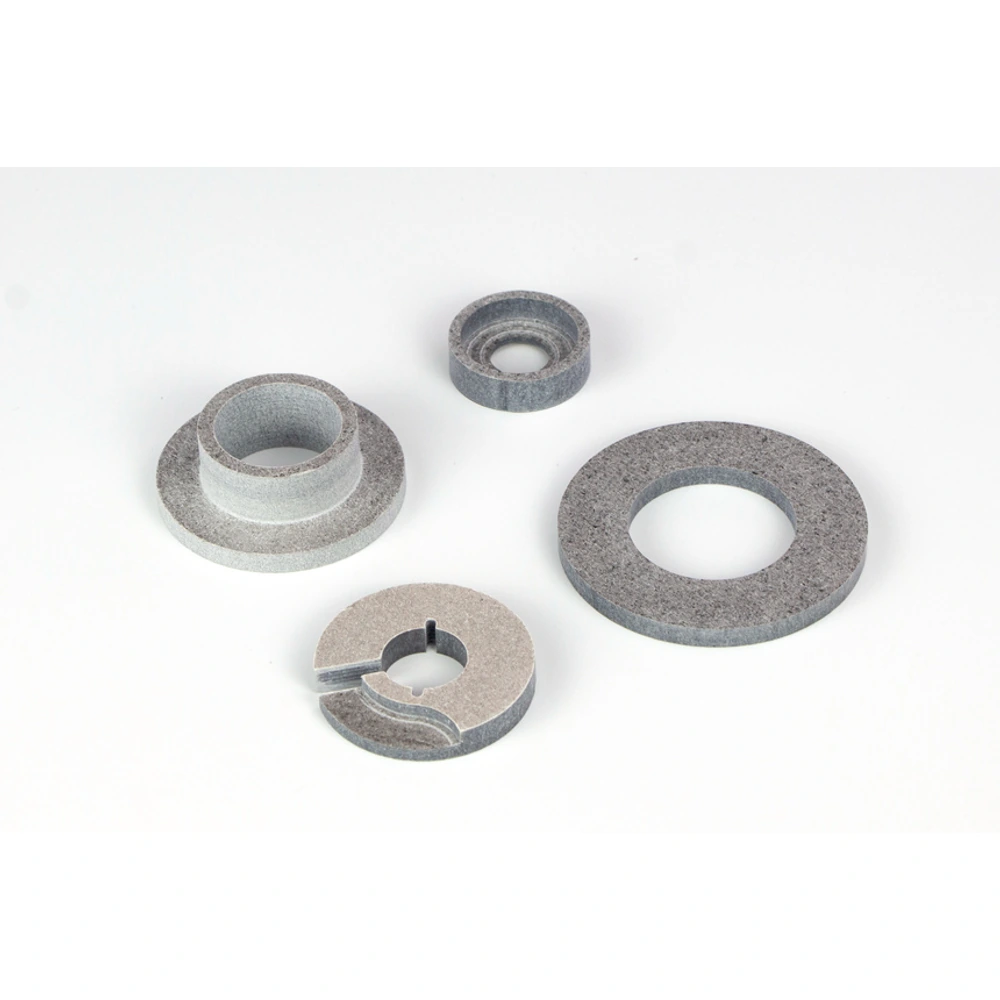
Let Us Talk Now
Share your material, dimensions, quantity and application. We will review the details with you.