
Mica Machined Parts
Drawing-defined mica components for electrical separation and thermal insulation, including washers, flanges, punched profiles and curved insulation parts.
Mica Machined Parts for Industrial Insulation
A finished mica component brings together a material choice and a defined shape. A washer, flange, slotted plate or curved part may look straightforward, but its performance also depends on the construction of the mica, the remaining material around openings and the way the component is supported in the assembly. This range helps buyers describe those requirements before requesting a quotation.
Start with the component’s function. Identify the surfaces that need electrical separation, the direction of thermal exposure and the features that position the part. Then describe the outline, thickness, holes and contact faces on a controlled drawing. A photograph can help explain the installation, but it cannot establish dimensions, material identity or an acceptance tolerance on its own.
Normanson Mica welcomes drawing-based enquiries for this range. The product groups below are a way to organize shapes and purchasing information, not a promise that every design or manufacturing route is available. Material, geometry, inspection requirements and order scope should be reviewed together. Any proposed changes belong in an agreed drawing or quotation before the component is ordered.
Mica Machined Parts Specification & Selection
Choose a component group
|
Product group |
Typical geometry |
Important drawing detail |
Enquiry focus |
|---|---|---|---|
|
Washers and gaskets |
Flat rings and interface profiles |
Opening, outline and contact width |
Separation or interface function |
|
Mica flanges |
Annular or shaped mounting interfaces |
Hole positions and mating faces |
Fit and support in the assembly |
|
Punched and drilled parts |
Profiles with holes, slots or cut-outs |
Feature positions and remaining webs |
Geometry and feasible process route |
|
Curved insulation parts |
Arcs, segments or formed contours |
Section, radius and installed shape |
Material and shape feasibility |
Information for a drawing review
|
Requirement |
What to define |
Why it matters |
|---|---|---|
|
Material |
Existing specification or operating conditions |
Avoids choosing by appearance alone |
|
Geometry |
Controlled drawing with units and revision |
Defines the component rather than an example image |
|
Critical features |
Fits, contact faces and acceptance limits |
Directs the dimensional review |
|
Service conditions |
Thermal exposure, electrical duty and support |
Connects material selection with use |
|
Order scope |
Quantity, sample needs and required records |
Allows the quotation scope to be checked |
For flat washers and gaskets, compare the contact area, central opening and thickness with the mating assembly. For flanges, add the position of mounting holes and any stepped or segmented features. Punched and drilled parts require particular attention to hole patterns, narrow connecting sections and edges that sit close to conductive parts. The product name alone does not define these relationships.
For curved insulation, distinguish an arc cut from flat sheet from a component curved through its thickness. These shapes may look similar in a single photograph but require different descriptions and potentially different material constructions. Provide a section view, the intended installed shape and the supporting surfaces. Do not assume that a rigid flat part can be bent into place without damage.
Select the starting material against the actual thermal, electrical and mechanical duty. Mineral type alone is not enough to describe a finished laminate: binder, construction and rigidity also matter. If a previous component is being replaced, state which features must remain unchanged and which can be reviewed. Keep dimensional acceptance separate from any qualification testing required for the equipment.
Heater and thermal assemblies
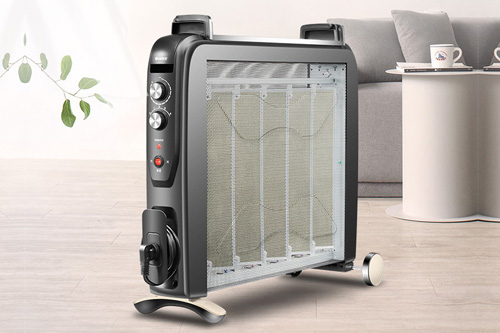
Mica profiles can be considered for separating, locating or shielding components near heating equipment. Identify the hot face, supported areas and adjacent conductors. The temperature history and mechanical restraint should be reviewed with the material, rather than assigning a general temperature limit to every machined shape.
Electrical equipment
Washers, rings, spacers and profiled barriers are used as insulation shapes in electrical assemblies. Describe the conductive parts, fastening arrangement and required separation. A material data sheet supports selection, while suitability of the finished component depends on its dimensions, environment and position within the complete system.
Replacement and development parts
A drawing-based enquiry can cover replacement geometry or a new insulation concept. Include the current revision, photographs of the installation and any known failure location. An existing sample is useful supporting information, but worn edges or compressed thickness should not automatically become the dimensions for a new part.
Build a Clear Enquiry
Identify the required product, drawing revision, material construction, dimensions and quantity. Include the intended electrical, thermal and mechanical duty and the documents needed for acceptance. Final supply details belong to the reviewed quotation and order specification.
Explore Mica Machined Parts
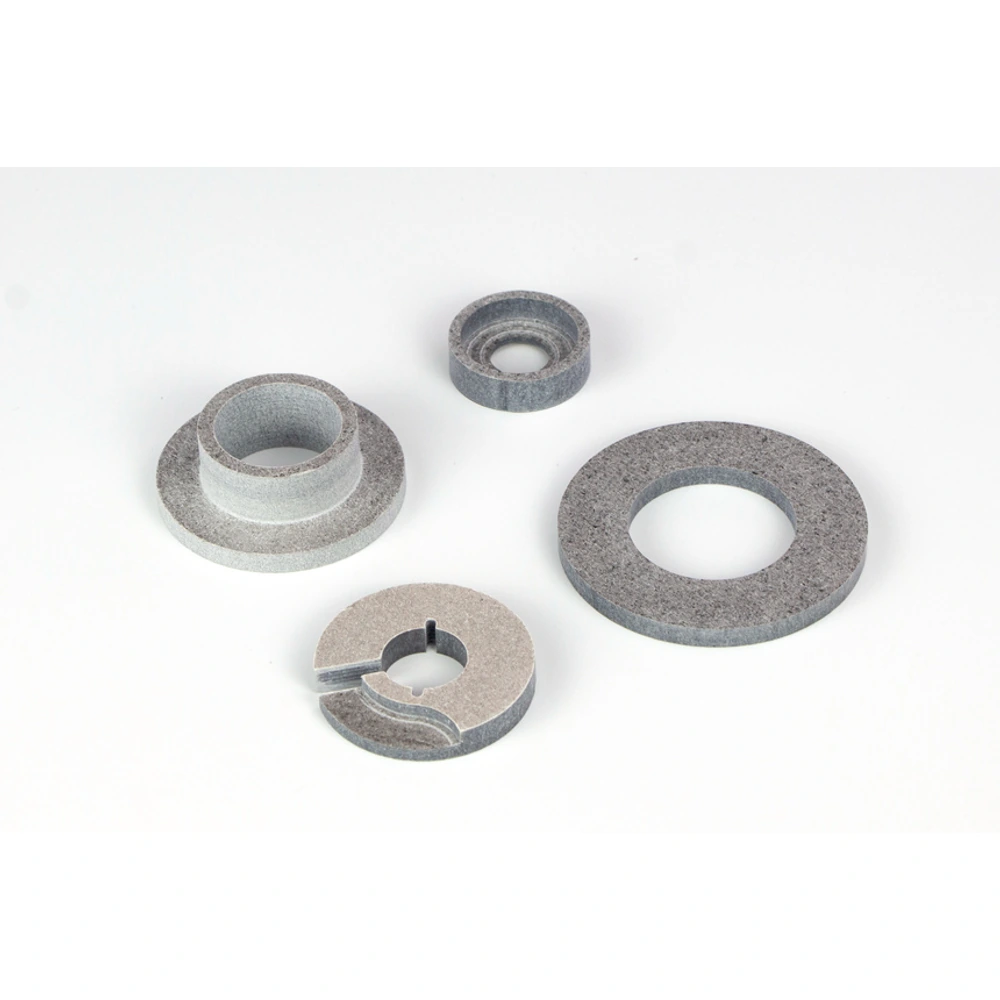
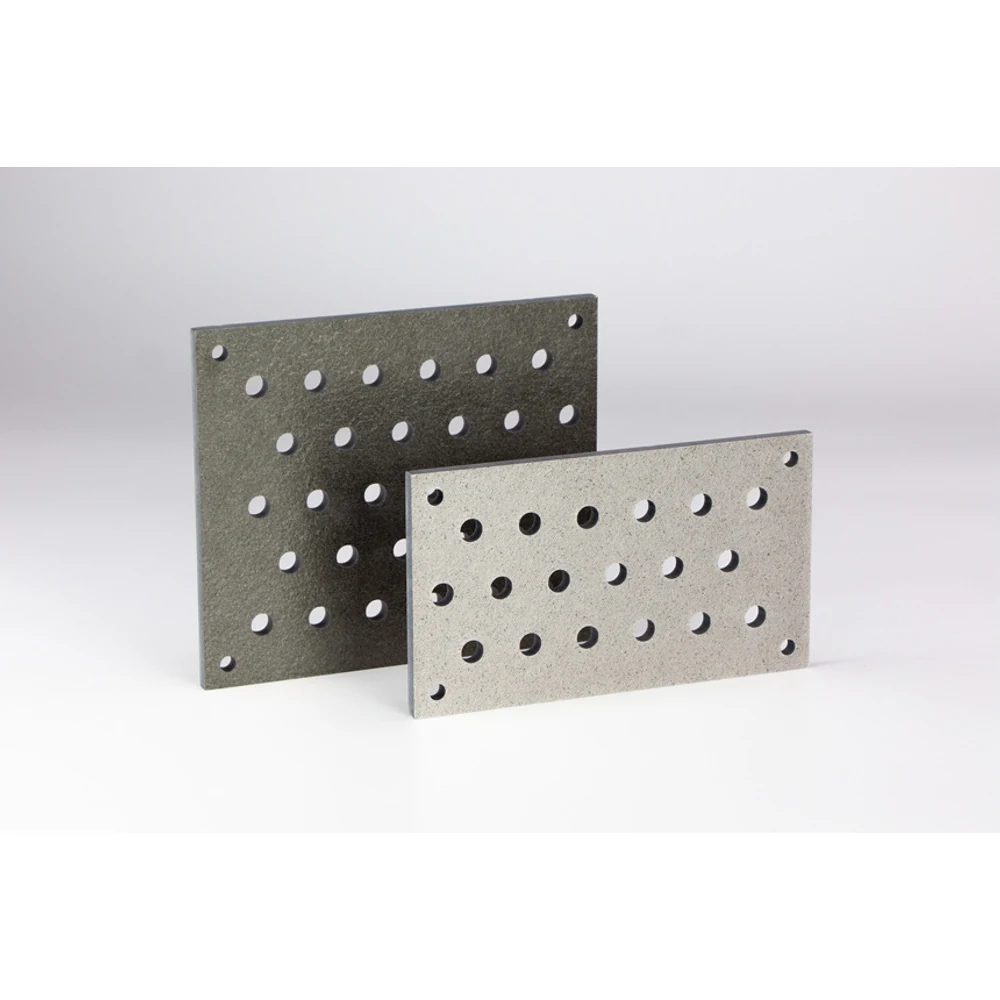
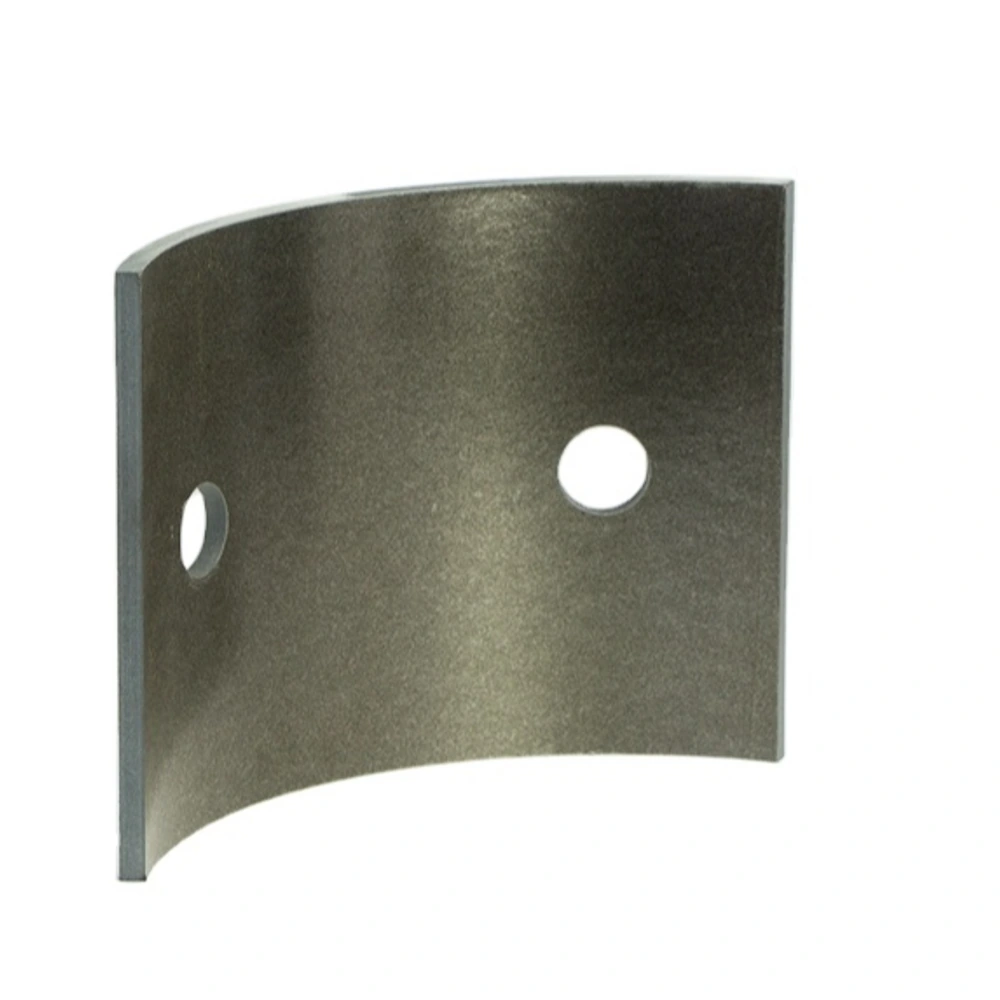
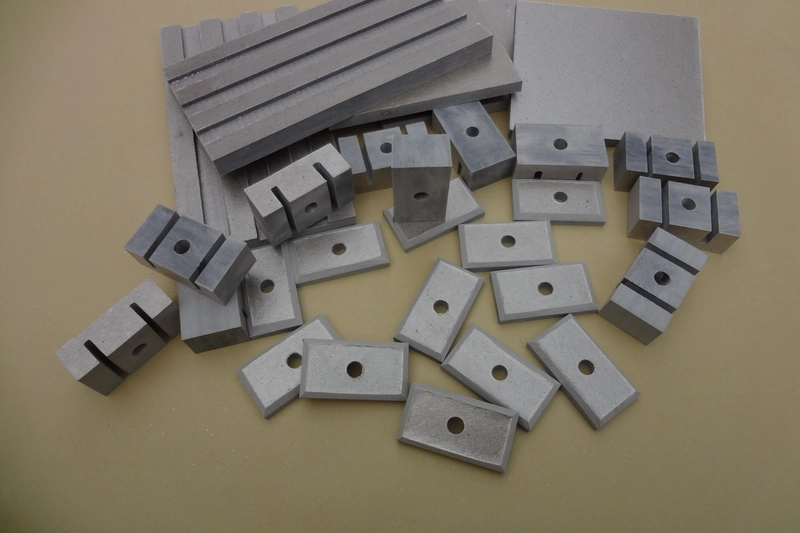
Customer-provided mica component examples. The finished shape, material construction and dimensions are specific to the agreed drawing.
Materials, Dimensions & Technical Review
Material & Component Review
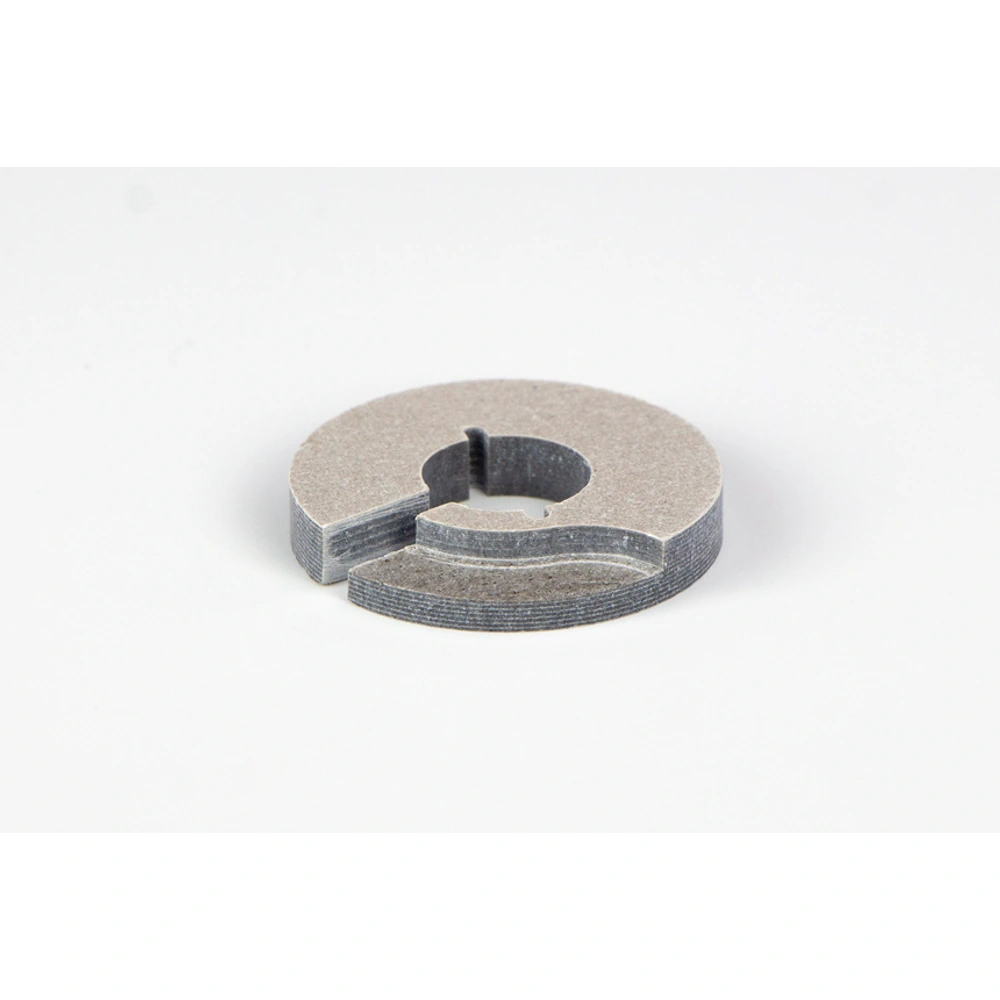
Define the profile, thickness, holes and contact faces. Washers, flanges and drilled parts need different feature checks.
For curved parts, distinguish a flat arc from a formed curve. Identify the installed shape and its supporting surfaces.
Choose the mineral, binder and rigidity for the application. Confirm dimensional acceptance separately from equipment qualification.
Match the Product Form to Your Requirements
Mica Washers & Gaskets: Flat rings and profiles for electrical separation and thermal interfaces.
Mica Flanges: Insulating faces with drawing-defined openings, mounting patterns and stepped features.
Punched & Drilled Mica Parts: Profiles with holes, slots and cut-outs matched to the assembly.
Curved Mica Insulation Parts: Contoured insulation reviewed against the installed shape and support.
Application Examples
Heater and thermal assemblies 
Electrical equipment 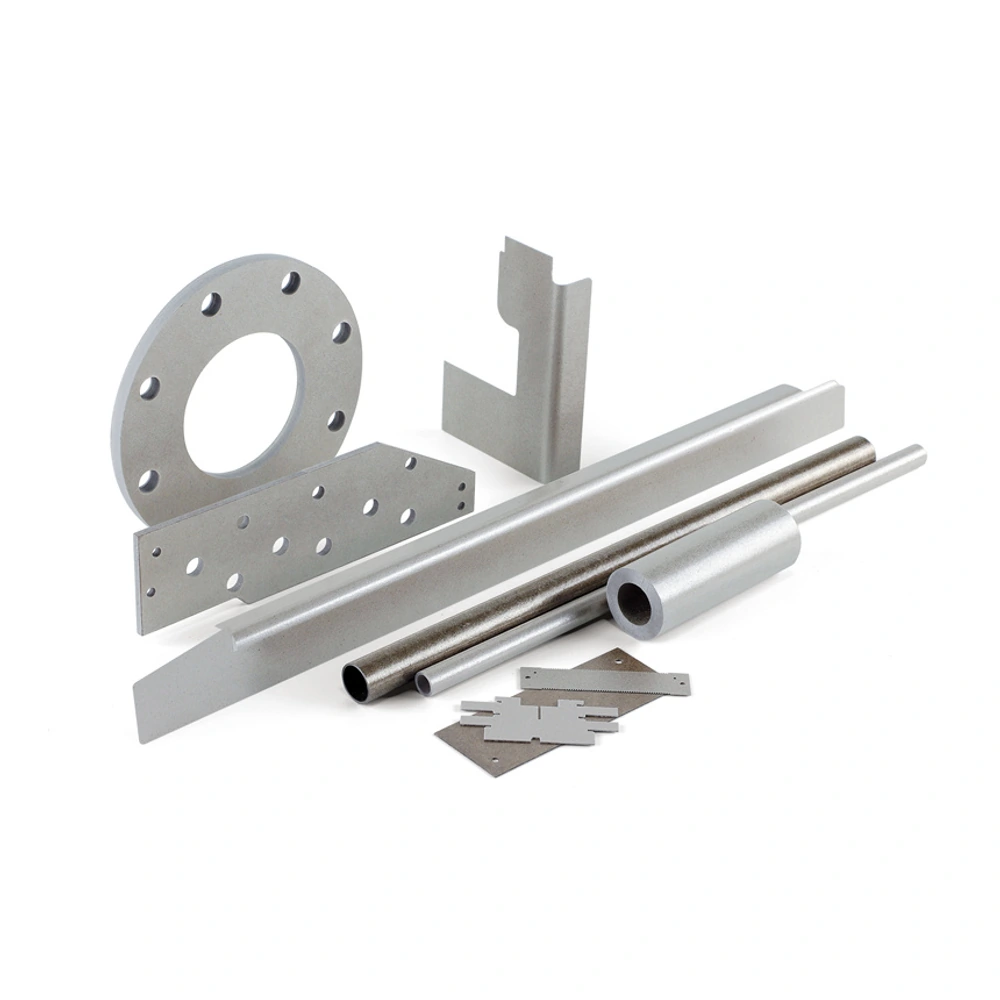
Replacement and development parts
Heater and thermal assemblies
Mica profiles can be considered for separating, locating or shielding components near heating equipment. Identify the hot face, supported areas and adjacent conductors. The temperature history and mechanical restraint should be reviewed with the material, rather than assigning a general temperature limit to every machined shape.
Electrical equipment
Washers, rings, spacers and profiled barriers are used as insulation shapes in electrical assemblies. Describe the conductive parts, fastening arrangement and required separation. A material data sheet supports selection, while suitability of the finished component depends on its dimensions, environment and position within the complete system.
Replacement and development parts
A drawing-based enquiry can cover replacement geometry or a new insulation concept. Include the current revision, photographs of the installation and any known failure location. An existing sample is useful supporting information, but worn edges or compressed thickness should not automatically become the dimensions for a new part.
Related Materials and Drawing-Based Support
Frequently Asked Questions
Discuss Your Mica Machined Parts Requirements
Send the product form, dimensions, quantity and operating conditions. Let us review a suitable construction for your application.