
Mica Washers & Gaskets
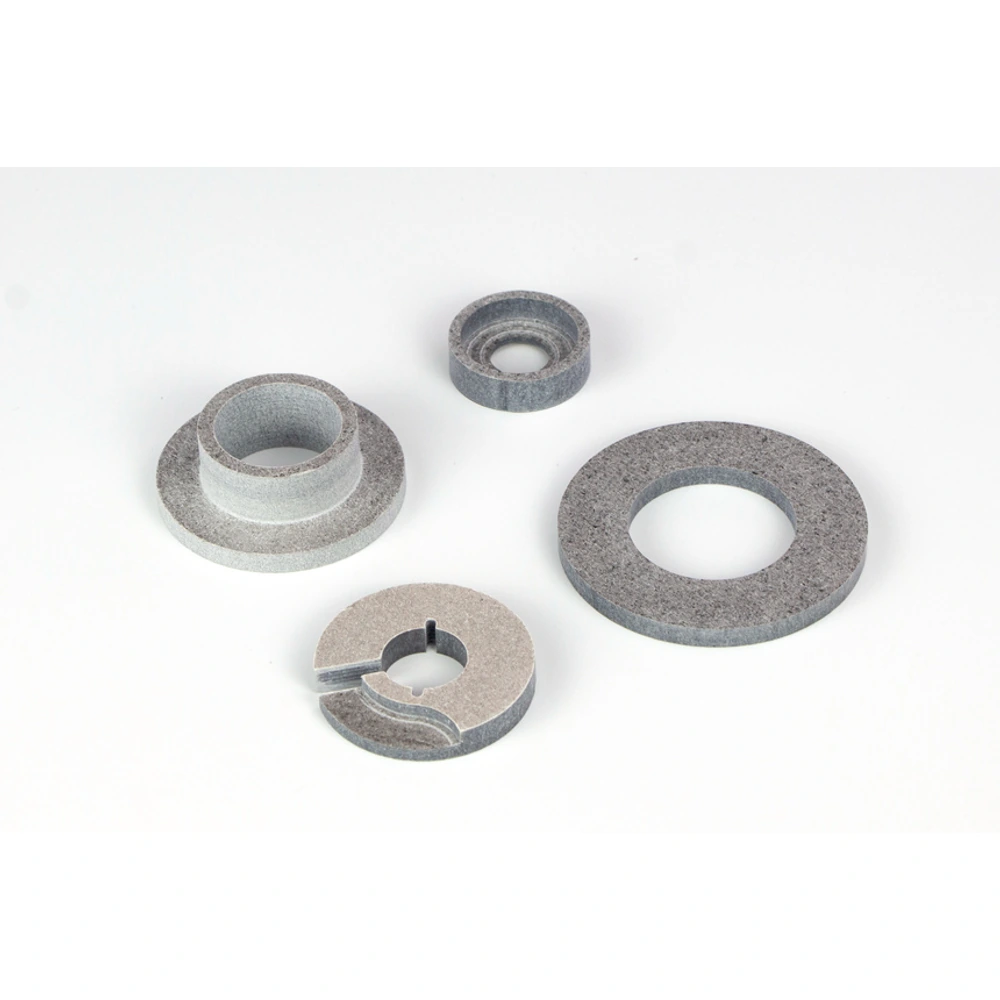
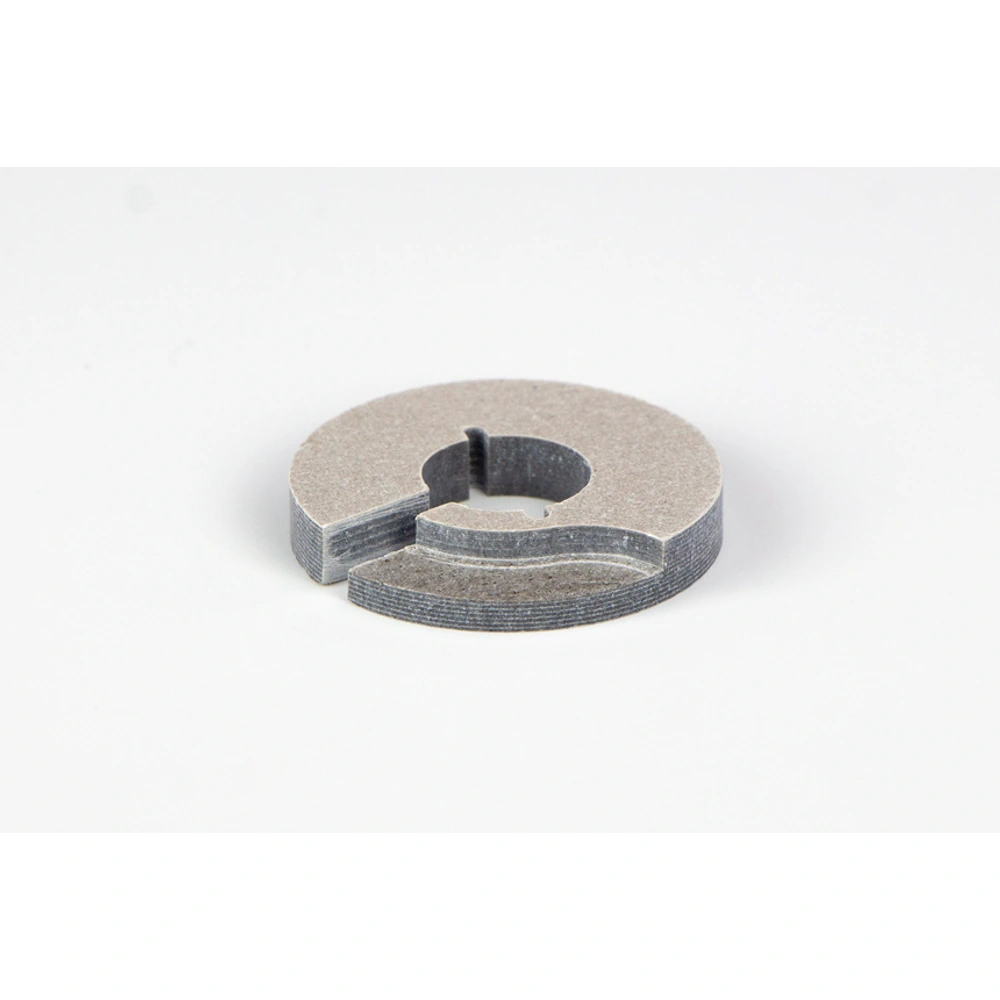
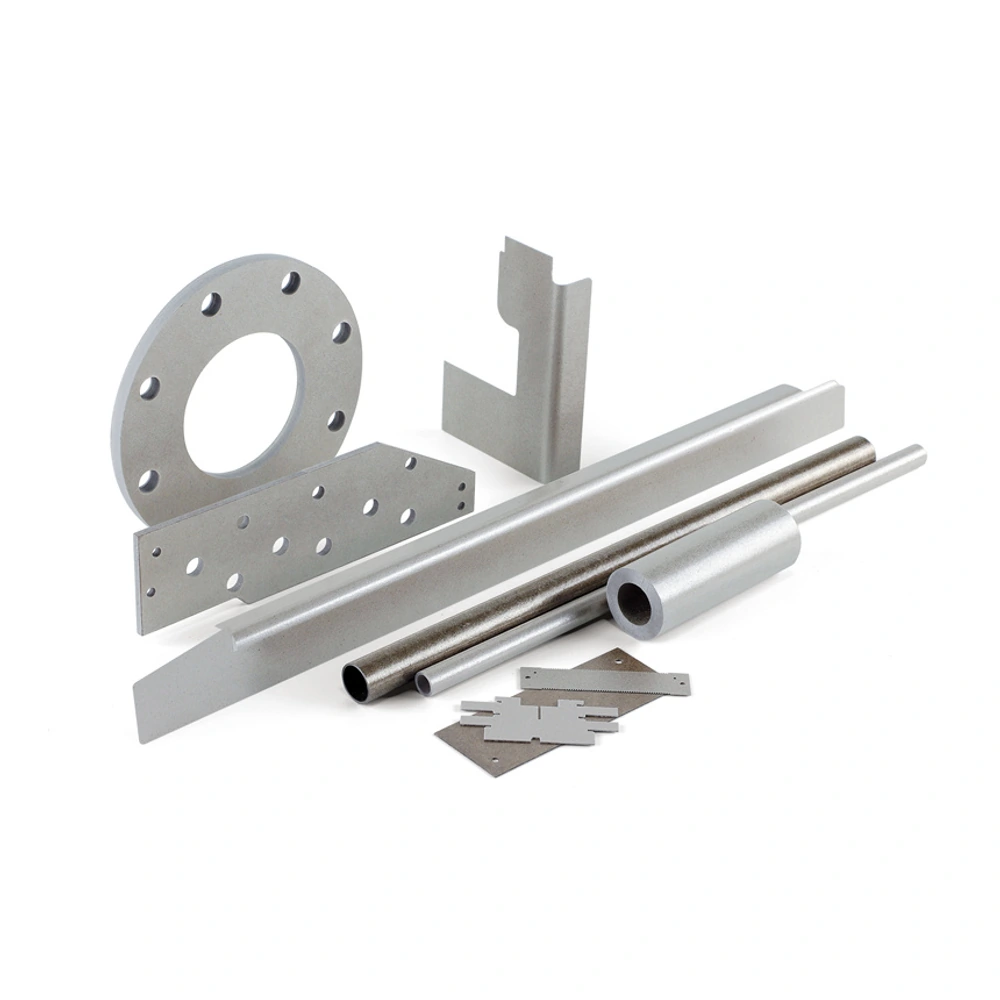
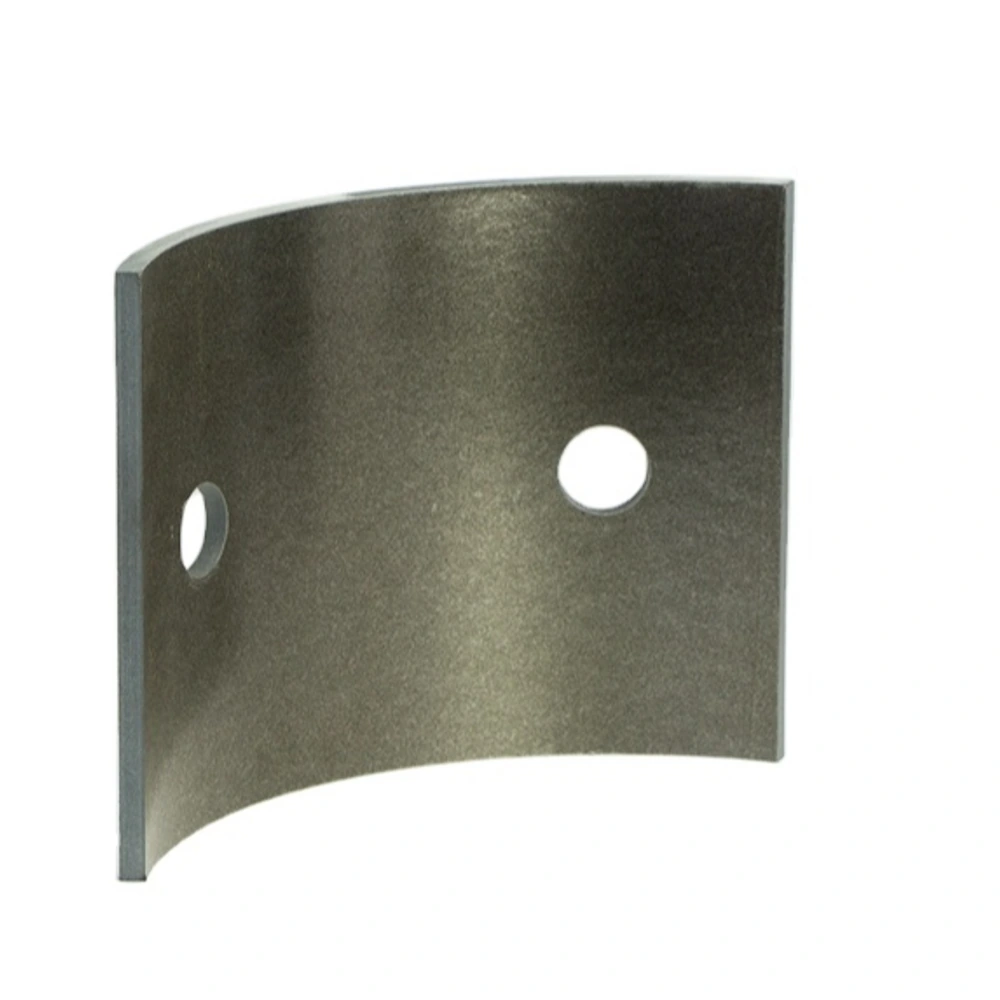
Customer-provided mica component examples. The finished shape, material construction and dimensions are specific to the agreed drawing.
Flat mica rings and interface profiles for electrical separation and thermal insulation, specified by the opening, contact area, thickness and intended joint function.
• Flat annular and drawing-defined profiles
• Material construction reviewed against service conditions
• Inner opening and outer outline defined together
• Mounting and contact faces included in the review
• Electrical insulation and thermal interface enquiries
• Sealing duty requires separate application confirmation
Washer and gasket specification points
|
Feature |
Define in the enquiry |
Functional reason |
|---|---|---|
|
Opening |
Diameter or drawing-defined profile |
Fit around the mating feature |
|
Outside profile |
Outline and orientation features |
Contact area and clearance |
|
Thickness |
Required value and acceptance basis |
Interface spacing |
|
Material |
Construction or service conditions |
Insulation selection |
|
Joint duty |
Separation, thermal interface or sealing |
Correct application review |
Before approving the drawing
|
Check |
Question to resolve |
Record |
|---|---|---|
|
Fit |
Do mating dimensions agree? |
Controlled drawing revision |
|
Support |
Which areas contact the assembly? |
Section or assembly view |
|
Environment |
What heat and electrical duty apply? |
Application description |
|
Acceptance |
Which dimensions and edges are critical? |
Agreed inspection criteria |
Understanding Mica Washers & Gaskets
Mica washers are flat components with an opening that allows them to sit around a fastener, terminal or another assembly feature. Gasket-shaped mica parts can have a wider outline or additional openings to follow an interface. The useful description is not simply the product name: it is the shape, thickness and function of the material between the mating surfaces.
A washer used for electrical separation is not selected in the same way as a joint that must contain a fluid. State whether the component acts as a spacer, electrical barrier, thermal interface or proposed seal. This distinction keeps the drawing review focused and prevents an insulating profile from being mistaken for a universally suitable pressure gasket.
The inquiry should identify the material already specified, or describe the conditions that the material must face. Include the contact faces, the available space and the way the component is held. Mineral type, laminate construction and rigidity should be evaluated together. A matching outline or similar color does not establish that two washers are equivalent.
Construction and Order Options
Define the inner opening and outside profile from a common reference. Add any locating holes, slots or interrupted sections that affect orientation. For a circular washer, concentricity may matter to fit, but the required acceptance criterion must come from the drawing review rather than a general website claim. Mark the features that are functionally critical and distinguish them from noncritical edges.
Material options should be discussed in relation to thermal exposure, electrical duty and contact loading. Rigid and flexible constructions are not interchangeable descriptions of the same component. Where an existing material specification is available, include it with the enquiry. Where it is not, describe the duty without assigning a borrowed material rating to the proposed part.
Cutting or punching may be considered according to the material, geometry and quantity. A repeated simple outline and an irregular profile with small openings can require different process decisions. The requested shape is the purchasing requirement; the proposed manufacturing route and any resulting limitations should be confirmed in the quotation rather than assumed from a photograph.
Application Review
In heater assemblies, washer-shaped mica parts can be considered where a mounting interface needs an insulating layer. Describe which face is exposed to heat, where the part is supported and whether the temperature changes during service. The surrounding hardware and the joint arrangement remain part of the application review.
In electrical equipment, rings and interface profiles can separate conductive components or establish a defined insulating interface. Show the nearby conductors, the opening around the fastener and the intended contact surfaces. A washer does not by itself establish the insulation performance of the complete assembly.
For replacement parts, provide the original drawing where possible and use an existing sample as supplementary information. Identify any damaged or compressed areas before measuring. If the old component failed, explain the observed location and conditions so that the review does not reproduce a worn dimension as an intended feature.
Handling, Fit and Inspection
Handle flat mica components with support across their faces rather than bending them at the opening. Inspect the edges and holes before installation, especially where the remaining material is narrow. Keep parts identified by their drawing reference and material description so visually similar washers are not mixed during assembly.
Prepare the mating surfaces and follow the equipment’s installation requirements. Do not force a washer over an incorrectly sized feature or use tightening to correct an obvious fit problem. Fastener loading, sealant use and any sealing procedure belong to the joint design and must not be inferred from this product description.
For receiving inspection, agree which dimensions and visible conditions will be checked. Thickness, opening position, outline and edge condition are useful review points, but their acceptance limits need a documented basis. Keep qualification of electrical or sealing performance separate from a simple dimensional inspection of the supplied profile.
What is the difference between a mica washer and a mica gasket?
A washer usually describes a flat ring with an opening, while a gasket can describe a broader interface profile with one or more openings. The names do not, by themselves, define the material construction or prove a sealing capability. In insulation enquiries, either shape may be used to separate components or create a thermal interface. A pressure-sealing application needs additional information about the medium, joint and operating conditions. Describe the function on the enquiry rather than relying on the name alone. That allows the material and geometry to be reviewed for the actual assembly instead of treating all flat mica profiles as equivalent products.
Which dimensions are important for a mica washer?
The opening, outside profile and thickness are the basic dimensions, but their relationship can be just as important as their individual values. A mounting feature may require the opening to be positioned relative to another hole or a particular edge. Contact width and the available clearance should also be understood from the assembly. Provide the units, drawing revision and any required acceptance limits. If only a sample is available, identify wear or damage before using it for measurement. Do not assign a generic tolerance to every dimension; mark the features that control fit or insulation so those requirements can receive the appropriate review.
Can these parts replace a metal washer directly?
Not automatically. A metal washer and a mica insulation washer can serve different mechanical and electrical purposes even when their outlines are similar. The joint may rely on the metal washer for load distribution or another function that has not been assessed for the proposed mica part. Explain why the substitution is being considered and show the fastening arrangement, contact faces and service conditions. The review should address the complete joint rather than only the outside diameter and hole size. Installation requirements and any validation remain application-specific, so a direct replacement should not be assumed from a catalog description or a visual match.
How is the manufacturing route chosen?
The route is considered after the material, thickness, geometry and quantity are understood. Flat mica components may be produced using different cutting or punching approaches, but a process that suits one shape is not necessarily suitable for another. Small openings, narrow contact widths and irregular profiles can affect the review. The purchasing drawing should define the finished part and its important acceptance requirements. A quotation can then identify the proposed route and any changes that need agreement. This page does not promise a particular machine, tool or process for every washer, and it does not use another manufacturer’s production limits as Normanson’s capability statement.
Can a mica gasket be used to seal a hot joint?
A hot-joint enquiry needs more than a material temperature description. First clarify whether the part is intended to provide electrical insulation, reduce heat transfer or contain a fluid. For sealing, identify the medium, pressure, temperature history, mating surfaces and fastening arrangement. These factors determine what must be reviewed and tested for the joint. A mica profile that is suitable as an insulating interface is not automatically qualified as a pressure seal. Any proposed sealing application should therefore be treated as a separate engineering requirement, with material and validation agreed for that specific use rather than inferred from the word gasket on this page.
What should I check when receiving the parts?
Check the delivered identification against the order and drawing revision before comparing dimensions. Confirm the opening, outline and thickness using the agreed method, and examine edges and contact faces for visible damage. Pay particular attention to narrow sections around holes, because damage there may affect handling or fit. The acceptance limits should come from the agreed specification, not from an improvised visual rule. Keep parts separated by material and reference if several similar designs arrive together. Receiving inspection confirms the agreed component characteristics; it does not replace any electrical, thermal or sealing qualification that the complete equipment requires before use.
Let Us Talk Now
Share your material, dimensions, quantity and application. We will review the details with you.