
Epoxy Insulation Products
Explore epoxy glass sheet, tube, rod and machined-part enquiries for electrical separation and structural insulation. Material construction and project requirements define the appropriate option.
Epoxy Insulation Products for Industrial Insulation
Epoxy insulation products combine an insulating resin system with reinforcement to serve electrical and mechanical functions within equipment. Glass-reinforced forms are commonly considered where a component must maintain separation while supporting an assembly. A flat barrier, a tubular sleeve and a drilled support may belong to the same broad material family, yet their construction and installation requirements are different. This category organises those enquiry formats without treating them as interchangeable materials or confirming a stock range.
Start with the component function rather than its colour or a familiar trade description. The electrical path, mechanical loading, heat exposure and surrounding environment all influence selection. Glass reinforcement provides structure, while the resin system and laminate construction affect how the material behaves in service. Appearance alone cannot identify a grade, establish flame performance or show suitability for a particular installation. A documented material designation is therefore more useful than a photograph when comparing technically similar options.
The three enquiry routes below separate flat laminate sheets, cylindrical tubes and rods, and finished machined insulation parts. Choose sheets when your project begins with a panel or blank; choose tubes or rods when cylindrical geometry is central; choose machined parts when the final drawing already defines profiles, holes and contact faces. Normanson enquiries are reviewed against the specific material and component requirements. Inclusion here does not imply that every named grade, dimension or configuration is stocked or certified.
Epoxy Insulation Products Specification & Selection
Choose an enquiry format
|
Format |
Best starting point |
Details to review |
|---|---|---|
|
Laminate sheets |
Flat barriers, panels and blanks |
Thickness, overall size, finished outline and material designation |
|
Tubes and rods |
Cylindrical insulation or support |
Bore if present, outside diameter, length and construction |
|
Machined parts |
A defined finished component |
Drawing revision, feature relationships, contact faces and inspection needs |
Separate material questions from assembly questions
|
Selection topic |
Material question |
Assembly question |
|---|---|---|
|
Electrical function |
Which documented insulation properties are relevant? |
Where are the conductive parts, edges and insulating paths? |
|
Mechanical function |
How does the construction respond to the required load? |
Which faces support, locate or clamp the component? |
|
Thermal exposure |
What grade-specific evidence covers the service conditions? |
Where does heat originate and how long is exposure? |
|
Flame requirements |
What documented classification is required? |
What equipment or project requirement must be met? |
|
Environmental exposure |
Is the particular resin system suitable? |
Will moisture, fluids or contamination reach the component? |
For material selection, distinguish general electrical insulation from elevated-temperature mechanical duty and flame-related requirements. These are different questions, not a single ranking of better and worse materials. Common glass-epoxy designations such as G10, G11 and FR4 describe different specification families; they should not be substituted solely because their surfaces look similar. Where a drawing names a grade or standard, keep that designation with the enquiry and assess any proposed alternative against the relevant requirements rather than accepting a generic equivalent.
For geometry selection, consider the final insulating path together with the load path. A sheet requires thickness, outline and mounting details; a tube requires its bore, outside diameter and end condition; a machined part needs relationships between features as well as individual dimensions. Holes, pockets and recesses remove material, so the finished shape matters as much as the starting blank. Identify the surfaces that locate the part, support the assembly or separate conductive components before comparing alternative forms.
For acceptance, separate the material description from the finished-part checks. Material identification, any required supporting documentation, drawing revision and application conditions establish what is being evaluated. Dimensions, contact surfaces and visible edge condition establish whether the part matches its intended assembly. A typical data value is not a finished-equipment rating, and another supplier’s catalogue is not a Normanson specification. Agree the proposed construction and verification scope for the actual enquiry, especially when heat, moisture, flame behaviour or critical electrical separation governs the decision.
Electrical barriers and separation
Flat panels, sleeves and insulating spacers can separate conductive elements in electrical equipment. Selection should consider the complete arrangement, including edges, openings and nearby metalwork, rather than treating thickness alone as proof of insulation adequacy. The required electrical assessment belongs to the actual assembly and service conditions.
Insulating structural components
Supports, locating parts and clamped components may combine mechanical duty with electrical isolation. Review the direction of load, bearing surfaces and attachment method alongside the material construction. A component chosen for room-temperature stiffness should not automatically be assumed to retain the same behaviour when installed beside a heat source.
Equipment fixtures and assembly interfaces
Machined plates and shaped components can provide defined interfaces for equipment or test assemblies. The useful starting point is the drawing: locate the working faces, hole patterns and any protected insulating surfaces. Material identity, fit and cleanliness should remain clear throughout machining, inspection and installation.
Build a Clear Enquiry
Identify the required product, drawing revision, material construction, dimensions and quantity. Include the intended electrical, thermal and mechanical duty and the documents needed for acceptance. Final supply details belong to the reviewed quotation and order specification.
Explore Epoxy Insulation Products
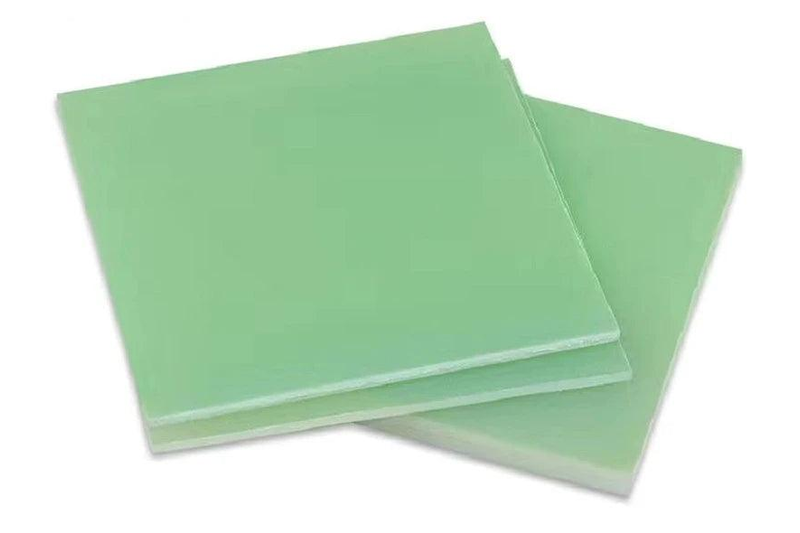
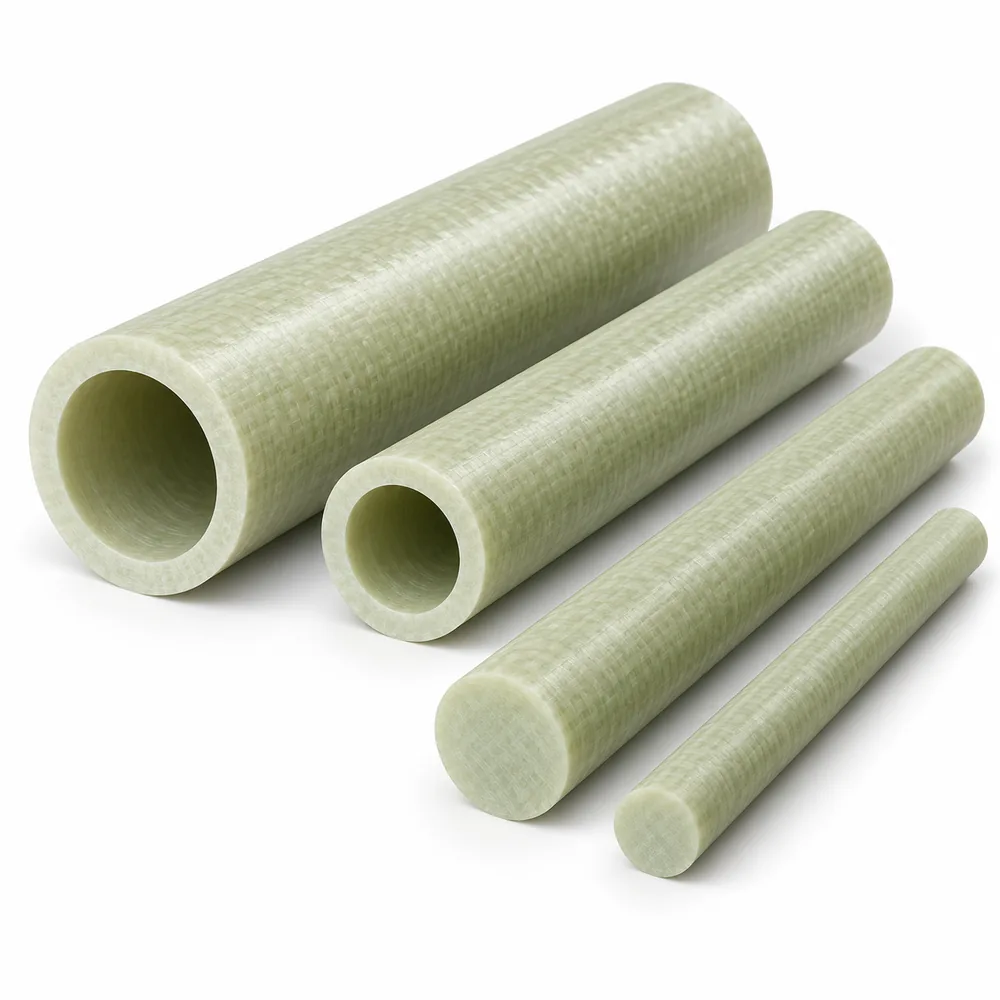
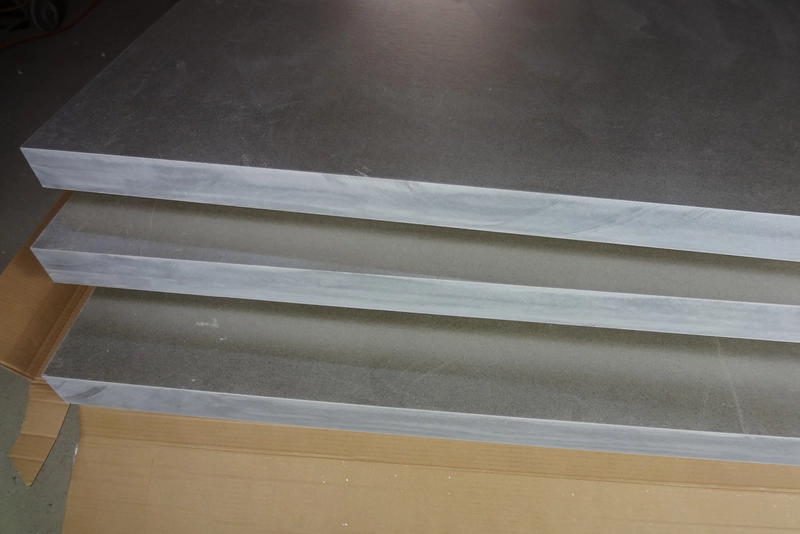
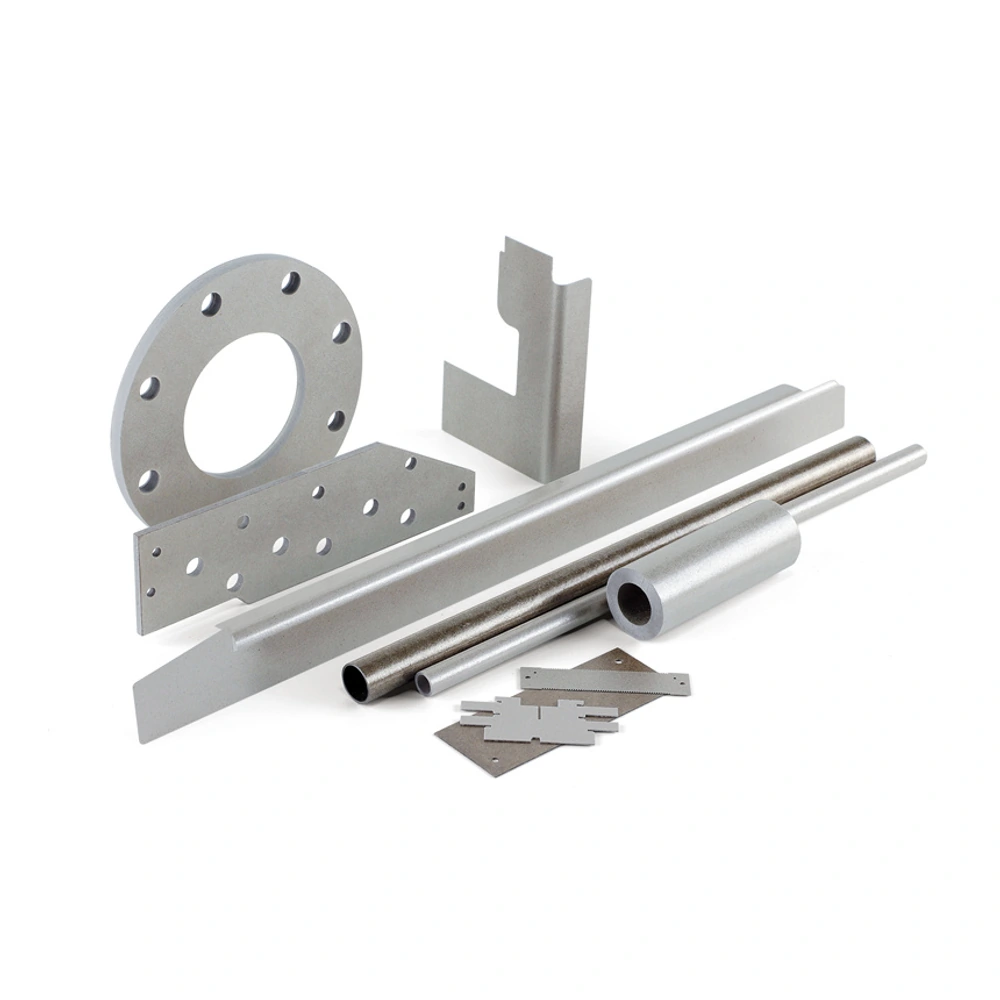
Reference imagery includes supplier photographs and a generated tube-and-rod illustration. These are not Normanson factory photographs or verified grade samples.
Materials, Dimensions & Technical Review
Material & Component Review
Select the documented grade for electrical, thermal and flame-related requirements. Similar appearance does not make G10, G11 and FR4 interchangeable.
Define the sheet thickness, tube bore or finished profile. Include mounting holes, contact faces and critical insulating paths.
Confirm material identification, drawing revision and inspection scope. Typical catalogue values are not ratings for the finished equipment.
Match the Product Form to Your Requirements
Epoxy Glass Laminate Sheets: Flat insulation for panels, barriers and machined blanks.
Epoxy Glass Tubes & Rods: Cylindrical forms selected by bore, diameter, length and material construction.
Machined Epoxy Insulation Parts: Drawing-defined profiles, holes and contact faces for the assembly.
Application Examples

Electrical barriers and separation 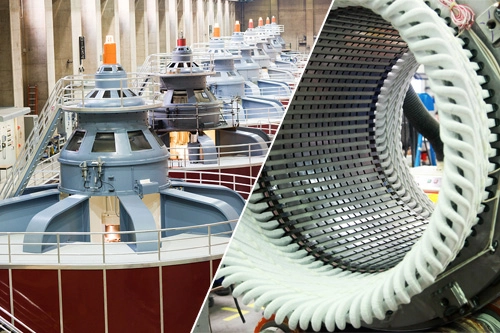
Insulating structural components 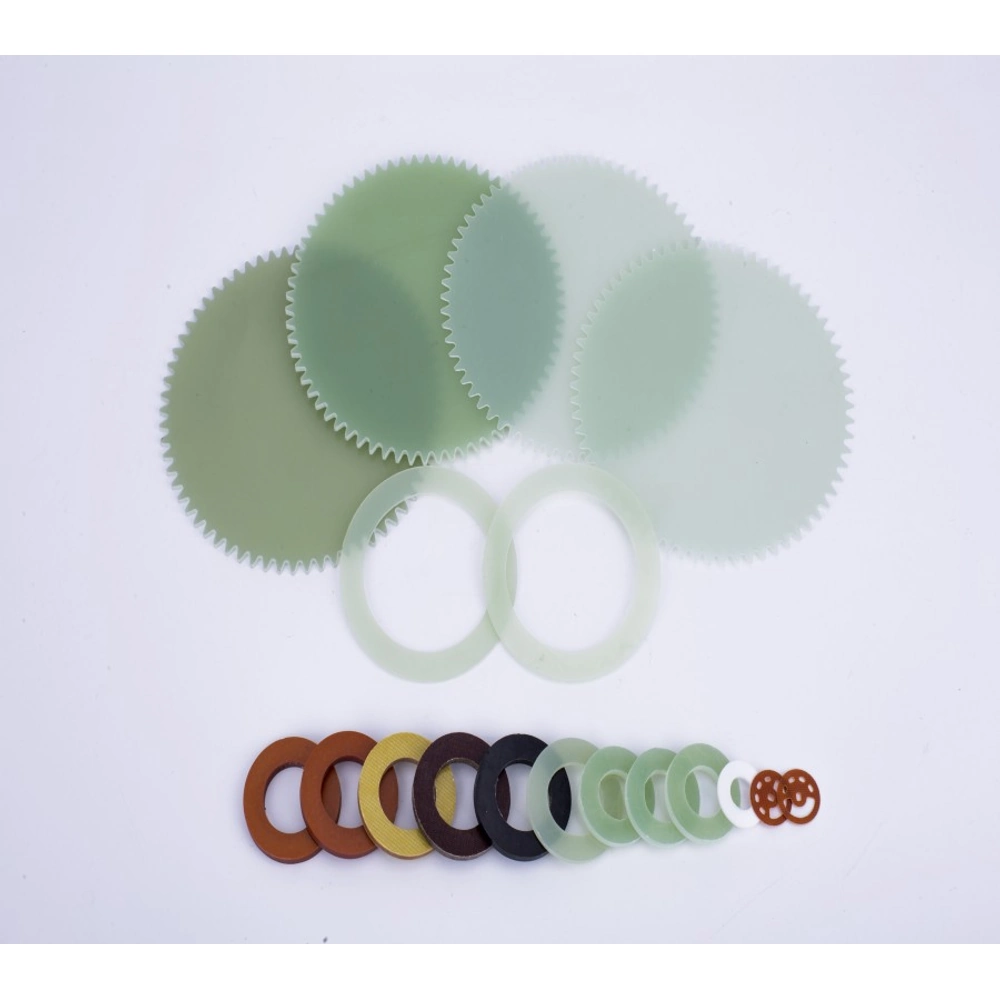
Equipment fixtures and assembly interfaces
Electrical barriers and separation
Flat panels, sleeves and insulating spacers can separate conductive elements in electrical equipment. Selection should consider the complete arrangement, including edges, openings and nearby metalwork, rather than treating thickness alone as proof of insulation adequacy. The required electrical assessment belongs to the actual assembly and service conditions.
Insulating structural components
Supports, locating parts and clamped components may combine mechanical duty with electrical isolation. Review the direction of load, bearing surfaces and attachment method alongside the material construction. A component chosen for room-temperature stiffness should not automatically be assumed to retain the same behaviour when installed beside a heat source.
Equipment fixtures and assembly interfaces
Machined plates and shaped components can provide defined interfaces for equipment or test assemblies. The useful starting point is the drawing: locate the working faces, hole patterns and any protected insulating surfaces. Material identity, fit and cleanliness should remain clear throughout machining, inspection and installation.
Related Materials and Drawing-Based Support
Frequently Asked Questions
Discuss Your Epoxy Insulation Products Requirements
Send the product form, dimensions, quantity and operating conditions. Let us review a suitable construction for your application.