
Mica Tape
Mica-based cable insulation selected through mineral type, reinforcement and the complete wrapping arrangement.
Mica Tape for Industrial Insulation
Mica tape combines mica paper with a reinforcing backing and a bonding system to create a material that can be wrapped around a conductor. This category focuses on cable applications, where the tape is one part of the finished insulation arrangement rather than a complete cable rating.
The three material routes are phlogopite, calcined muscovite and synthetic mica tape. They distinguish the mica constituent, while glass or film support, binder, thickness and roll format remain separate construction choices. A coating option is not presented as an additional mineral family.
Use these pages to organise a cable-material enquiry and compare relevant constructions. They do not establish that a tape is suitable for every winding process, nor do they transfer motor-coil impregnation or cure requirements into a cable design without review.
Mica Tape Specification & Selection
Compare the material routes
|
Tape family |
Mica constituent |
Selection focus |
|---|---|---|
|
Phlogopite |
Natural phlogopite mica paper |
Evaluate a reinforced natural-mica cable wrap. |
|
Calcined muscovite |
Heat-treated natural muscovite mica paper |
Distinguish mineral processing from final tape cure. |
|
Synthetic |
Manufactured mica paper |
Compare the complete synthetic-mica construction, not the mineral alone. |
Define the wrapping construction
|
Feature |
Review point |
Boundary |
|---|---|---|
|
Width |
Conductor geometry and wrapping setup |
A roll width is not a cable rating. |
|
Backing |
Glass or film construction and handling |
Do not assume every reinforcement is interchangeable. |
|
Binder |
Compatibility with the intended tape and process |
Cable tape is not automatically a motor-coil cure system. |
|
Coverage |
Overlap, angle and finished layer arrangement |
No universal overlap percentage is specified here. |
|
Evaluation |
The finished cable under its intended conditions |
Tape descriptions do not prove system compliance. |
Begin with the intended conductor and wrapping process. Tape width, backing and total construction need to suit the geometry and handling arrangement. The wrapping angle, coverage and overlap belong to the cable design, not to a universal instruction applied to every mica tape.
Compare the mica type together with its binder and reinforcement. A headline mineral heat limit does not describe the complete reinforced tape, and a tape result does not by itself prove the performance of the finished cable. Keep operating conditions separate from exceptional fire exposure.
Review a representative wrapped construction before treating a material change as equivalent. Observe coverage, gaps, folds and material condition alongside the applicable electrical and thermal evaluation. Product names provide an enquiry route; the complete cable construction provides the context in which suitability must be assessed.
Conductor wrapping
Mica tape can form an insulating layer around cable conductors. Width and coverage should match the intended geometry.
Fire-resistant cable development
Mica-based layers are used in cable designs evaluated for fire exposure. The finished cable requires its own relevant assessment.
Heated wiring applications
A cable construction used near heat may include a mica layer. Compare the complete tape and wire arrangement with actual exposure conditions.
Build a Clear Enquiry
Identify the required product, drawing revision, material construction, dimensions and quantity. Include the intended electrical, thermal and mechanical duty and the documents needed for acceptance. Final supply details belong to the reviewed quotation and order specification.
Explore Mica Tape
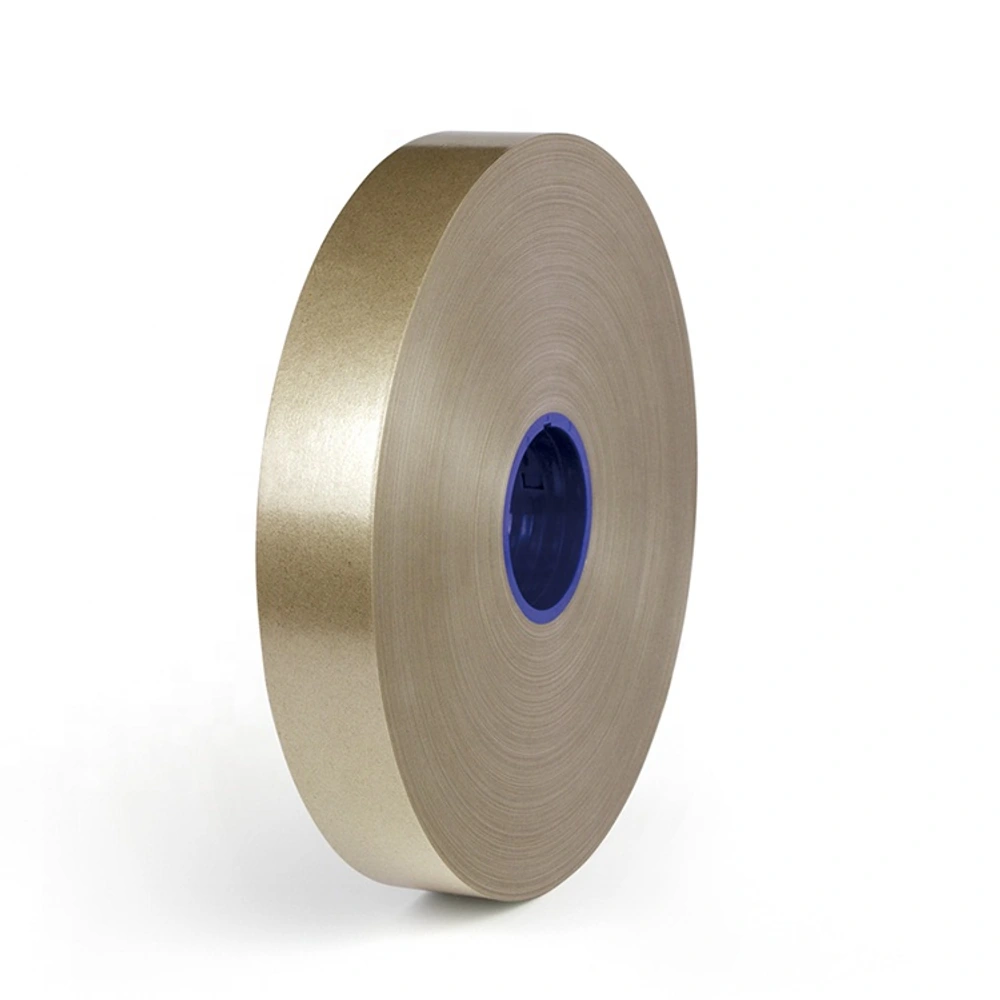
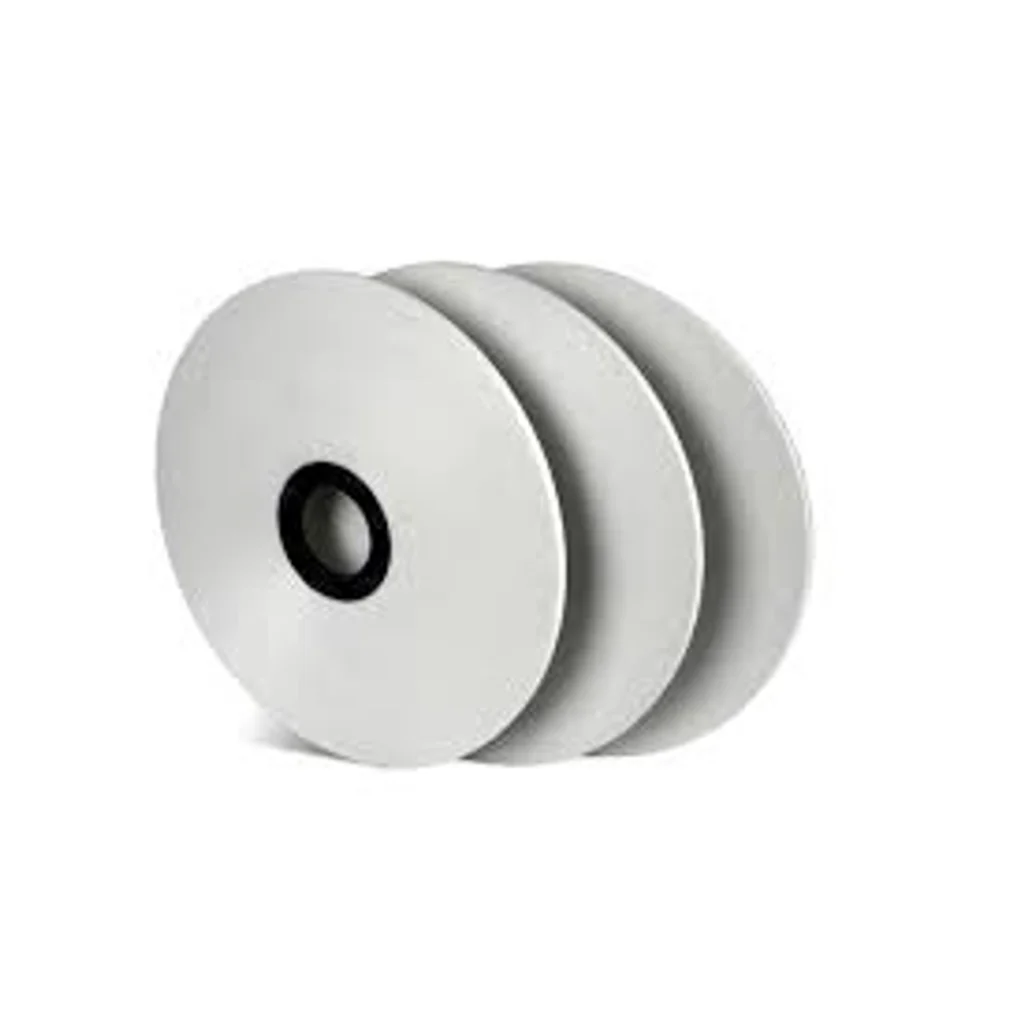
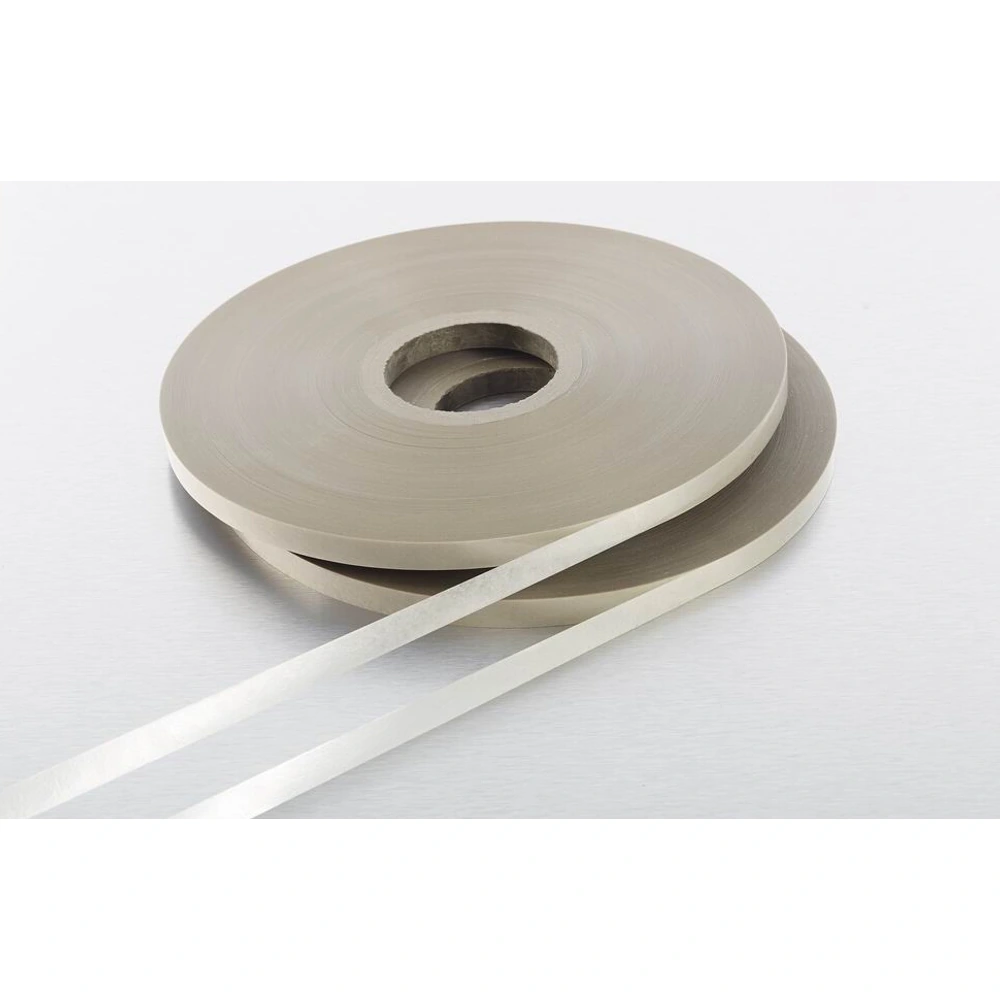
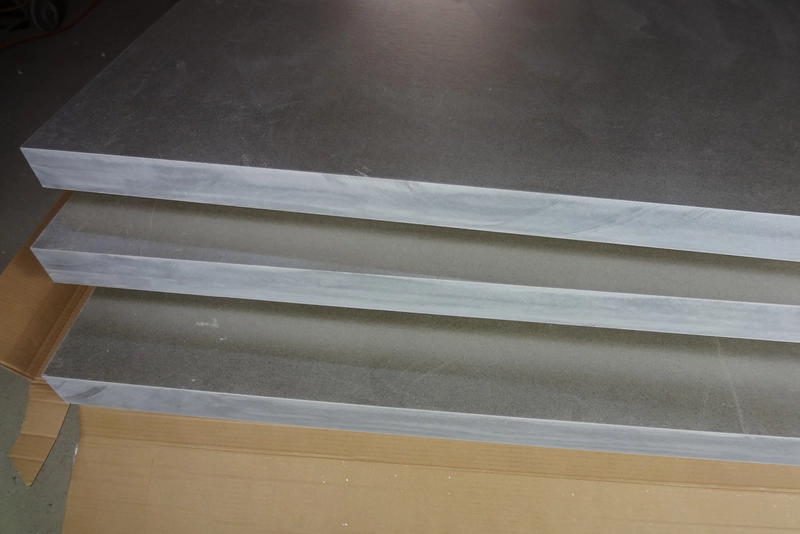
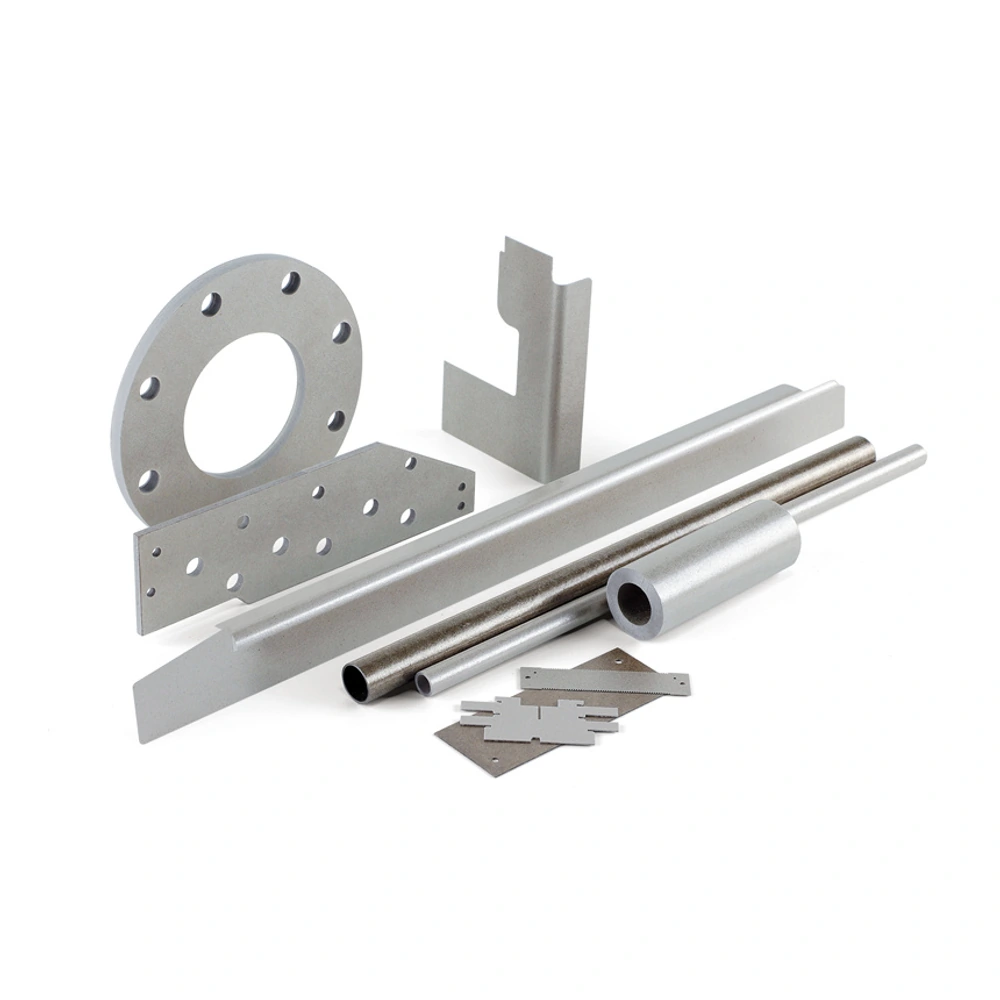
Customer-provided product-family photographs. Mineral grade, binder and reinforcement cannot be confirmed from appearance alone.
Materials, Dimensions & Technical Review
Material & Wrapping Review
Match tape width, backing and construction to the conductor and wrapping process. Define coverage and overlap within the cable design.
Compare mica type, binder and reinforcement together. Mineral heat limits do not establish the rating of reinforced tape or finished cable.
Evaluate a representative wrapped assembly for gaps, folds and material condition. Confirm suitability under the relevant electrical, thermal and fire-test requirements.
Match the Product Form to Your Requirements
Phlogopite Mica Tape: Reinforced natural mica tape for cable-wrapping evaluation.
Calcined Muscovite Mica Tape: Heat-treated natural muscovite tape for cable insulation constructions.
Synthetic Mica Tape: Reinforced manufactured-mica tape for demanding cable insulation evaluation.
Application Examples
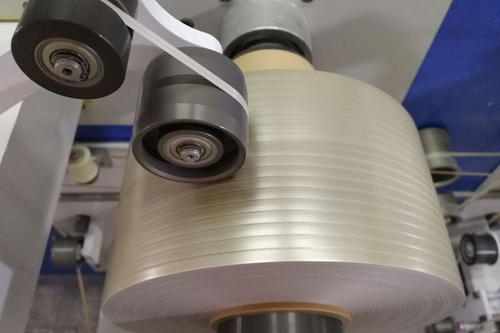
Conductor wrapping 
Fire-resistant cable development 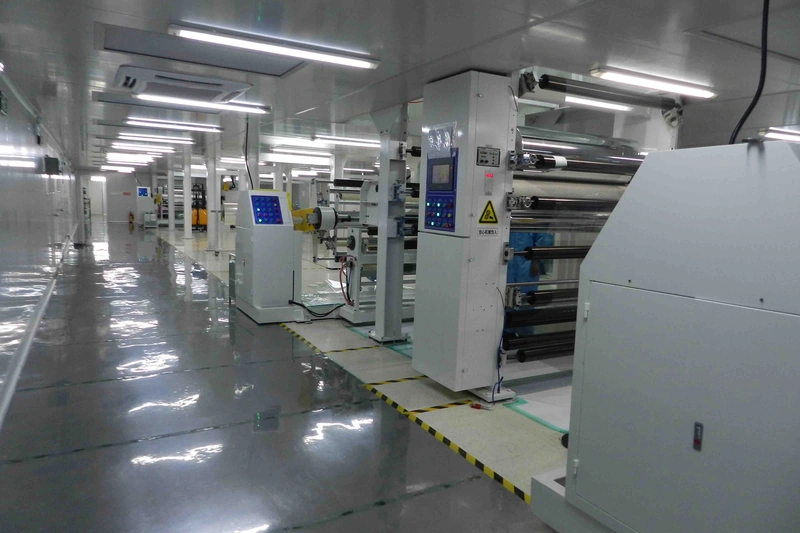
Heated wiring applications
Conductor wrapping
Mica tape can form an insulating layer around cable conductors. Width and coverage should match the intended geometry.
Fire-resistant cable development
Mica-based layers are used in cable designs evaluated for fire exposure. The finished cable requires its own relevant assessment.
Heated wiring applications
A cable construction used near heat may include a mica layer. Compare the complete tape and wire arrangement with actual exposure conditions.
Related Materials and Drawing-Based Support
Frequently Asked Questions
Discuss Your Mica Tape Requirements
Send the product form, dimensions, quantity and operating conditions. Let us review a suitable construction for your application.