Phlogopite Mica Tape
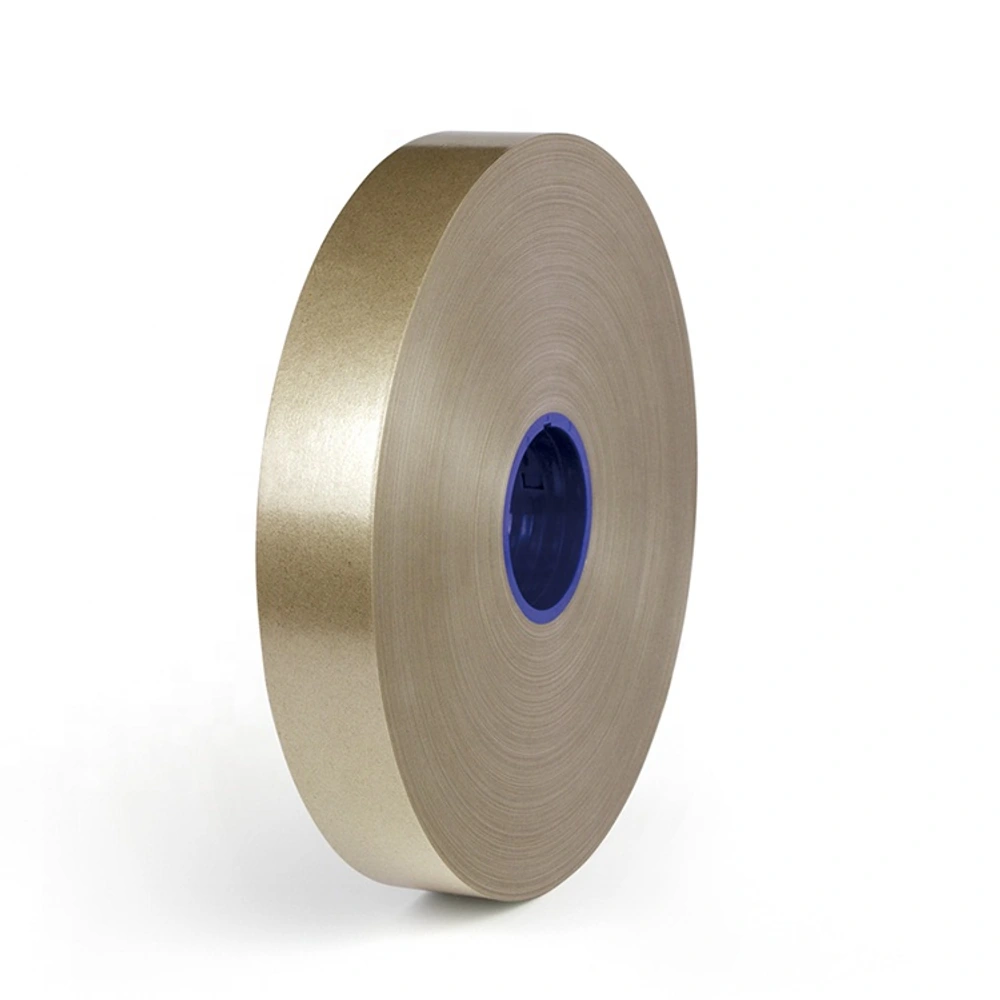
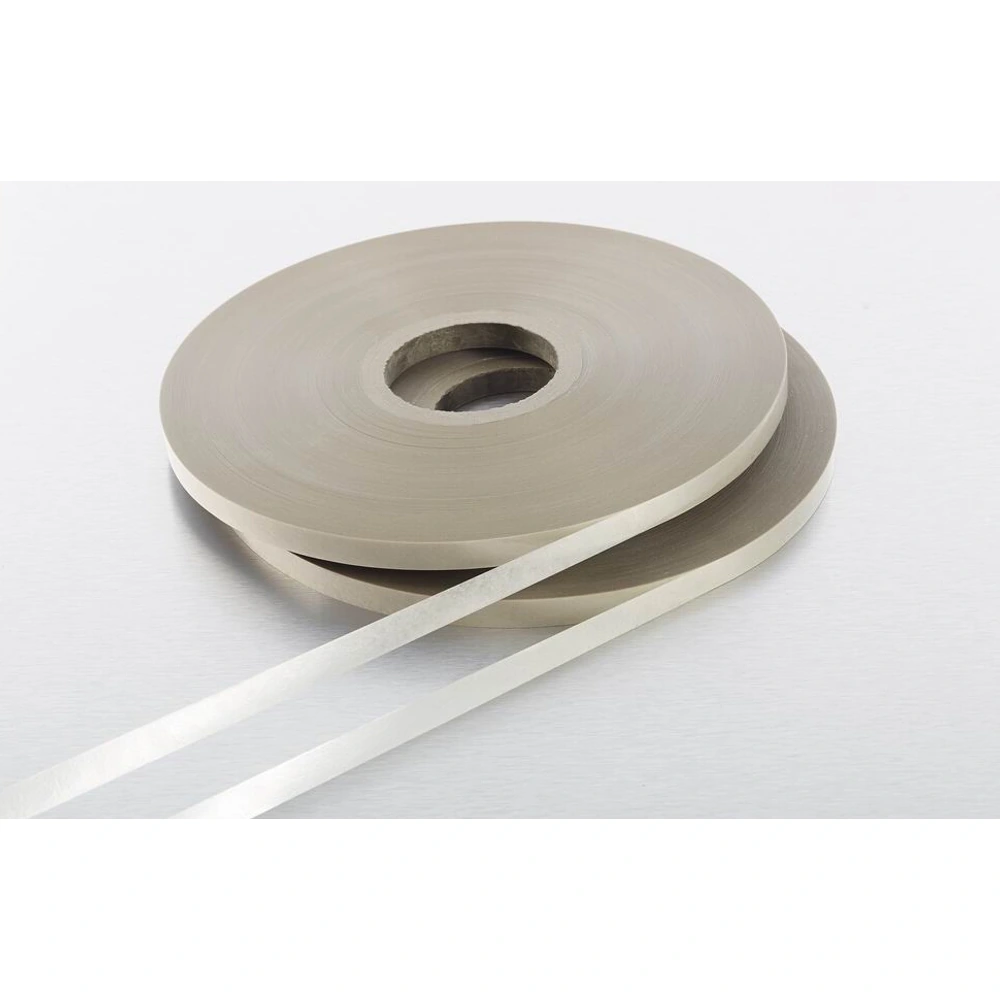
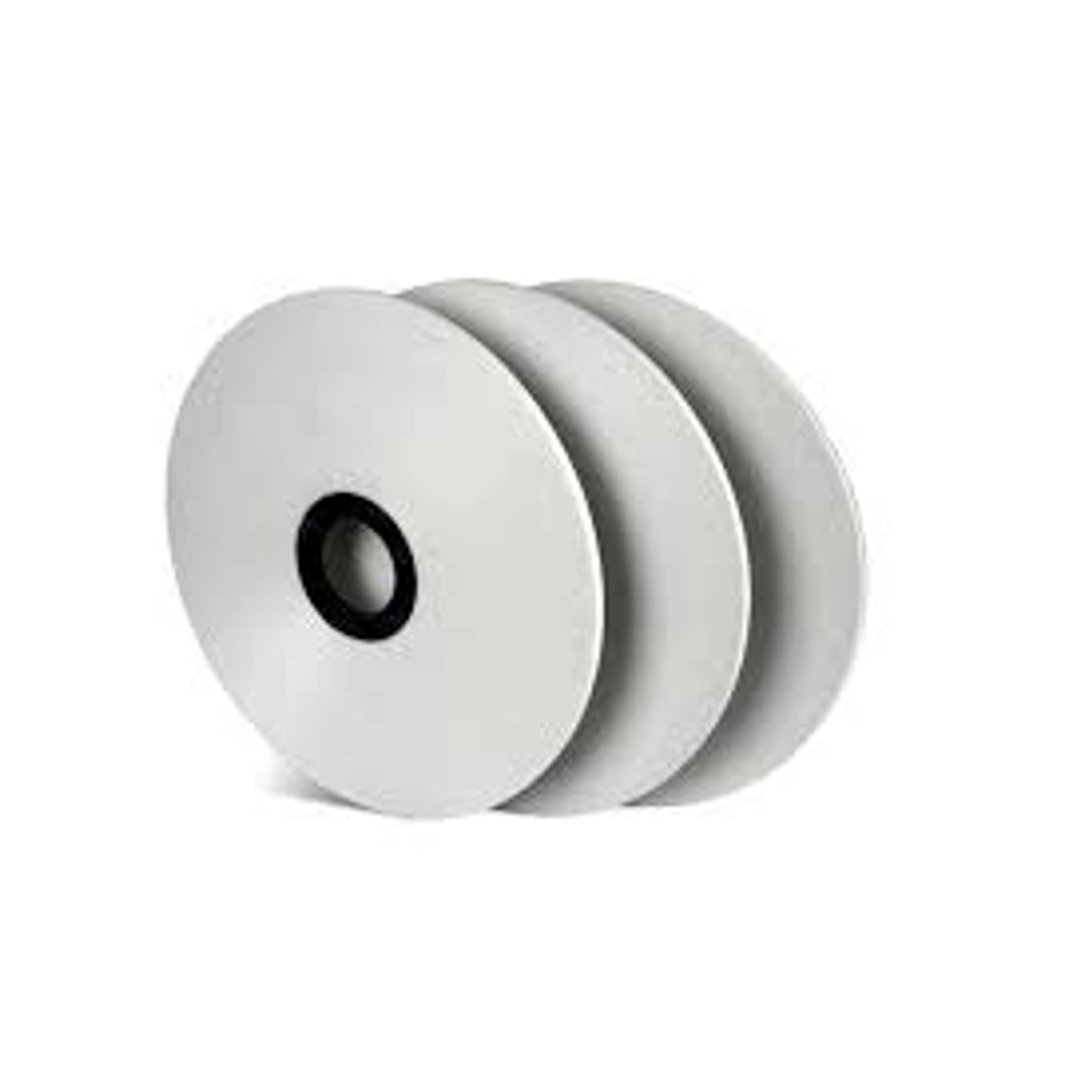
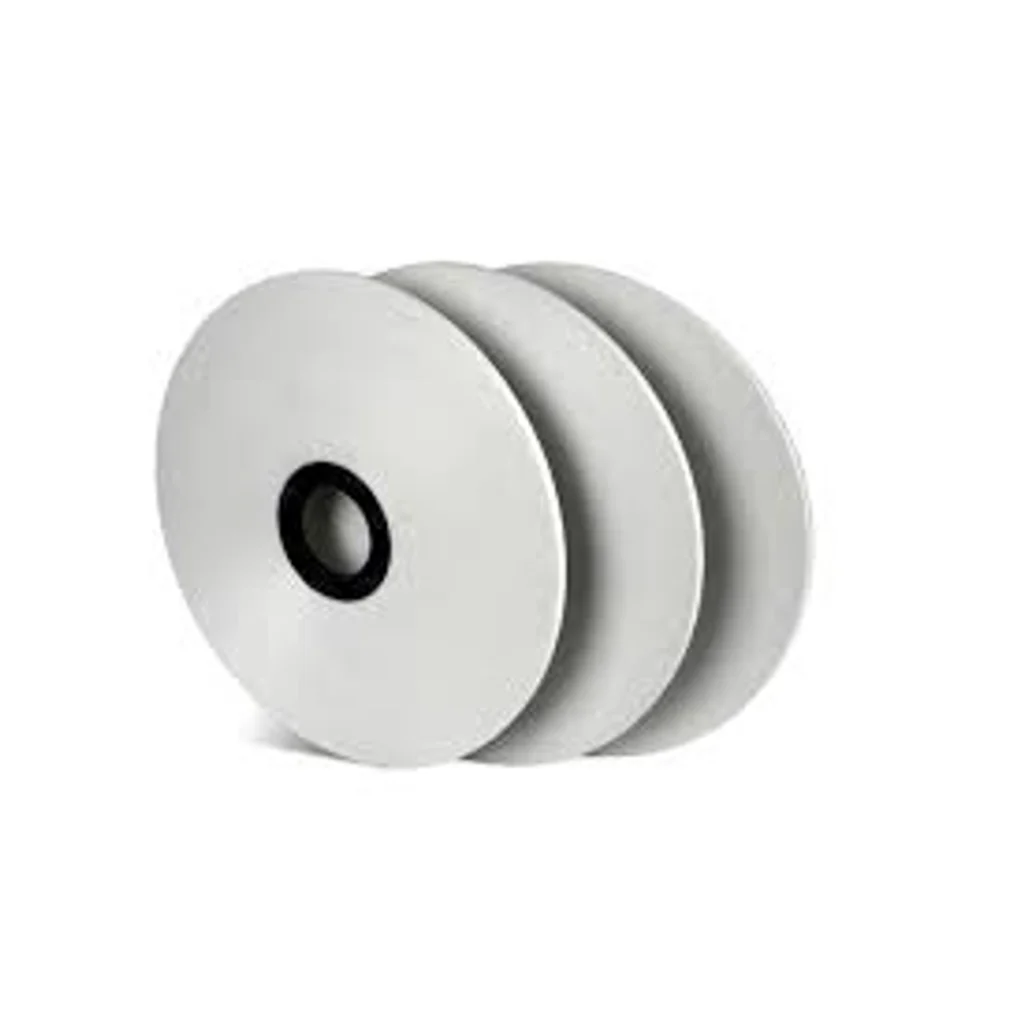
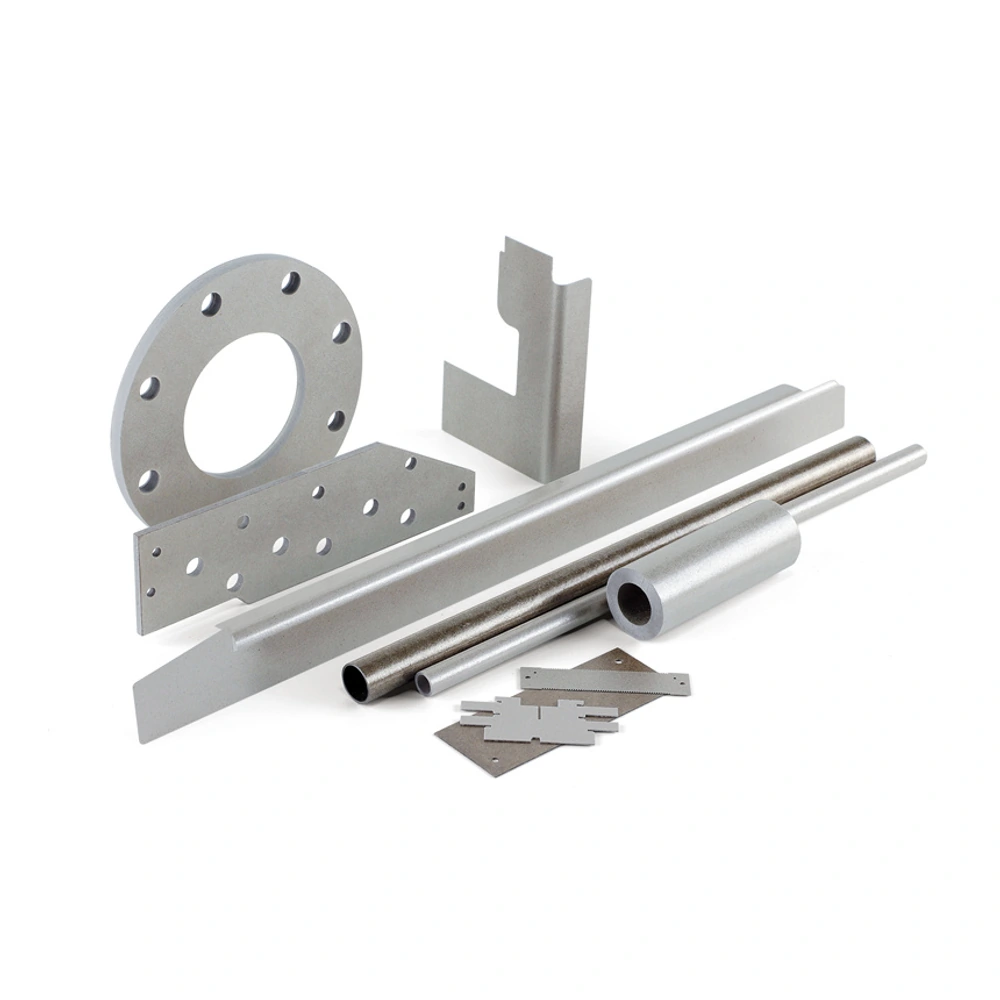
Customer-provided product-family photographs. Mineral grade, binder and reinforcement cannot be confirmed from appearance alone.
Reinforced natural phlogopite mica tape for evaluation within cable-wrapping constructions.
• Natural phlogopite mica route
• Reinforced paper and binder construction
• Cable wrapping as the primary scope
• Width connected to conductor and process
• Coverage evaluated on the finished wrap
• No tape-only claim of cable certification
Define the phlogopite tape
|
Element |
Describe |
Selection purpose |
|---|---|---|
|
Mica constituent |
Phlogopite-based paper |
Identifies the natural-mineral route. |
|
Reinforcement |
Glass or film arrangement as specified |
Defines handling construction. |
|
Binder |
Bonding system and process compatibility |
Distinguishes the complete tape from raw paper. |
|
Width and format |
Conductor-related width and roll arrangement |
Connects material to the wrapping process. |
Review the finished wrapping
|
Review point |
Observe |
Boundary |
|---|---|---|
|
Coverage |
Continuity around the intended conductor |
No universal overlap percentage is claimed. |
|
Material condition |
Folds, gaps or visible damage |
Appearance before wrapping is not enough. |
|
Process fit |
Selected construction in representative handling |
Do not assume all resin-bound tapes are adhesive tapes. |
|
Cable performance |
The full insulation arrangement |
Tape properties are not a cable certification. |
Understanding Phlogopite Mica Tape
Phlogopite mica tape uses a natural mica constituent in a reinforced tape construction. It is considered for cable wrapping where the mica layer contributes to the intended insulation arrangement. The product should be described through the complete construction, not through the mineral name alone or a generic statement that every mica tape behaves identically.
Mica paper, supporting backing and binder perform different roles within the material. The reinforcement makes the paper usable as a wrapping product, while the bonding system joins the layers. Width and total construction must also fit the conductor and production arrangement. Those details remain relevant even when phlogopite has already been selected as the mica family.
This page focuses on cable-material selection rather than motor-coil impregnation or press-cure systems. A tape can be one layer in a cable intended for heat or fire exposure, but that role does not establish the finished cable’s rating. The complete cable construction and its relevant evaluation provide the performance context.
Construction and Order Options
Select width in relation to the conductor, wrapping angle and intended coverage. A width cannot be considered independently of how the tape is applied. The resulting layer arrangement should be reviewed on the wrapped component, including areas where geometry or handling creates a risk of gaps or folds rather than smooth, consistent coverage.
Identify the reinforcing layer and binder explicitly. Glass-supported and film-supported constructions should not be assumed interchangeable, and resin within a tape does not automatically make it self-adhesive. The construction needs to suit the intended process, including any subsequent manufacturing steps that affect the insulation arrangement around the conductor.
Roll format is a process consideration rather than a performance classification. The handling arrangement should accommodate the proposed width and supply form without assuming a supplier’s published reel dimensions are universal. Changes in material or format should remain connected to a representative wrapping review and the final cable requirements.
Application Review
Conductor wrapping is the primary application route considered here. The mica tape forms part of an insulation layer around a defined cable component. Coverage, overlap and other layers should be described as a coordinated cable design rather than assembled from unrelated material claims or a universal installation percentage.
Fire-resistant cable development may include a phlogopite-based barrier in the insulation construction. Such a project requires evidence for the finished cable under its relevant conditions. A tape’s mineral description or a competing supplier’s cable result does not establish the performance of a different design using a similar-looking mica roll.
Wiring used near heat can introduce both ordinary operating exposure and exceptional heat events. Keep those conditions separate when evaluating the tape. The phlogopite constituent is only one part of the product, and the backing, binder and complete wire arrangement still need to be considered for the intended duty.
Handling, Fit and Inspection
Treat the tape as a layered insulating material whose condition matters during processing. Review the reinforcing construction and handling requirements before winding. Do not assume that adding adhesive, changing tension or applying an unrelated cure instruction will preserve the intended material behaviour merely because the mica constituent remains the same.
Inspect the representative wrap for gaps, folds, uneven coverage and visible damage to the tape. The purpose is to connect the selected width and construction with the actual conductor geometry. A neat roll before processing does not by itself demonstrate that the material will form the required layer arrangement on the cable.
Keep the material description, wrapping arrangement and cable evaluation linked when reviewing a change. Replacing another tape with phlogopite, or changing its reinforcement, should not be treated as an automatic equivalent. The tables organise those review points without presenting unverified thicknesses, test values or fire classifications as Normanson specifications.
What identifies phlogopite mica tape?
Phlogopite identifies the natural mica constituent used in the tape’s paper layer. The finished product also includes a reinforcing backing and a binder, so its mineral name is not a complete construction description. Two phlogopite tapes can therefore differ in handling form or intended process even when they share the same mica family. When selecting a cable material, review the backing, bonding system, width and wrapping arrangement together. This page treats phlogopite as a material route for evaluation, not as an automatic voltage or fire rating. The proposed tape must still be considered within the complete cable construction and the conditions for which that cable is being developed.
Why is reinforcement important for cable wrapping?
The reinforcing layer helps turn mica paper into a usable tape that can be handled and applied around a conductor. It is therefore part of the product, not merely packaging around an otherwise complete material. Different backing constructions can have different relationships with the binder and intended process. Identify the reinforcement before assuming that two tapes with similar width or mineral content are interchangeable. A representative wrapping review should consider how the complete tape behaves on the intended geometry, including visible gaps, folds or damage. The relevant choice is a construction suited to the cable-making process, rather than a mineral description separated from its support layer.
Is a phlogopite cable tape the same as a coil tape?
Not automatically. Cable wrapping and coil insulation can involve different constructions and manufacturing processes, even though both may use mica-based tapes. A product intended for impregnation or a particular cure route should not be substituted solely because it contains phlogopite or looks like a cable tape. Review the reinforcing layer, binder and intended process, keeping the final insulation arrangement in view. This page focuses on cable applications and does not establish a motor-coil system or cure instruction. If a material is being considered for a different application, its suitability must be assessed for that process rather than inferred from the shared mineral name. The same distinction applies to the meaning of resin within the product. A binder that joins mica to a supporting layer is not automatically an instruction for subsequent impregnation, curing or adhesive attachment. Identify the delivered construction and its intended use before carrying over a procedure from another insulation system.
How should tape width be selected?
Width should be considered with conductor geometry, wrapping angle and the desired layer arrangement. It is not simply a larger-is-better dimension or a direct measure of electrical performance. The chosen width must form the intended coverage in the actual process without relying on an assumed universal overlap. Review a representative wrapped component for gaps, folds and uneven build, and keep the backing and binder construction attached to the assessment. A material change that retains the same width can still alter handling or process compatibility. Selection should therefore connect the roll description to the finished cable rather than treat a width listed in another supplier’s catalogue as a complete specification.
Does the tape alone establish fire resistance?
No. A phlogopite mica layer may be part of a cable designed for fire exposure, but the finished cable has other materials, dimensions and wrapping relationships that affect its performance. A mineral heat statement or a tape-level description is not the same as a result for that cable. Keep the proposed tape construction and the intended evaluation conditions together when reviewing the design. In particular, a claim made for another cable or supplier cannot be transferred to a new arrangement merely because both use phlogopite. The relevant evidence concerns the complete construction being assessed, not the material family name in isolation. For a development project, retain the relationship between the tape being evaluated and the complete proposed cable. That makes it possible to distinguish an observed wrapping result, a material-level property and a finished-cable evaluation. Each can be useful, but they answer different questions and should not be described as the same evidence.
What should change-control review include?
Review changes to the mica constituent, backing, binder, width or roll arrangement in relation to the wrapping process and finished cable. A change may appear minor in the material description while affecting how coverage is created around the conductor. Compare the complete old and proposed constructions rather than only their mineral names or nominal dimensions. Inspect a representative wrap and retain the relevant electrical and thermal requirements in the assessment. The purpose is to distinguish a material substitution from demonstrated equivalence in use. A supplier description can support selection, but it cannot independently establish that a changed cable retains a previous performance or compliance result.
Let Us Talk Now
Share your material, dimensions, quantity and application. We will review the details with you.