
Calcined Muscovite Mica Tape
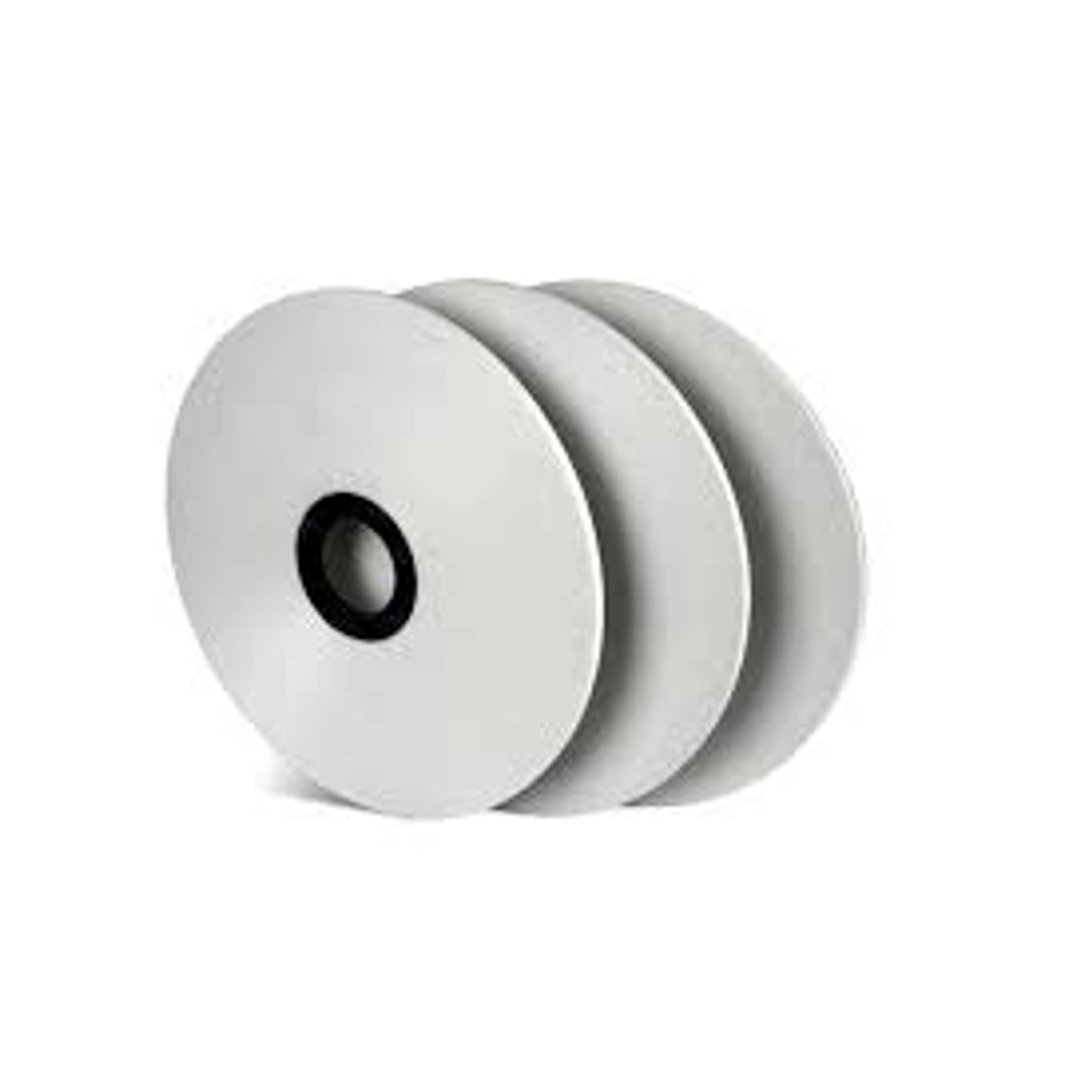
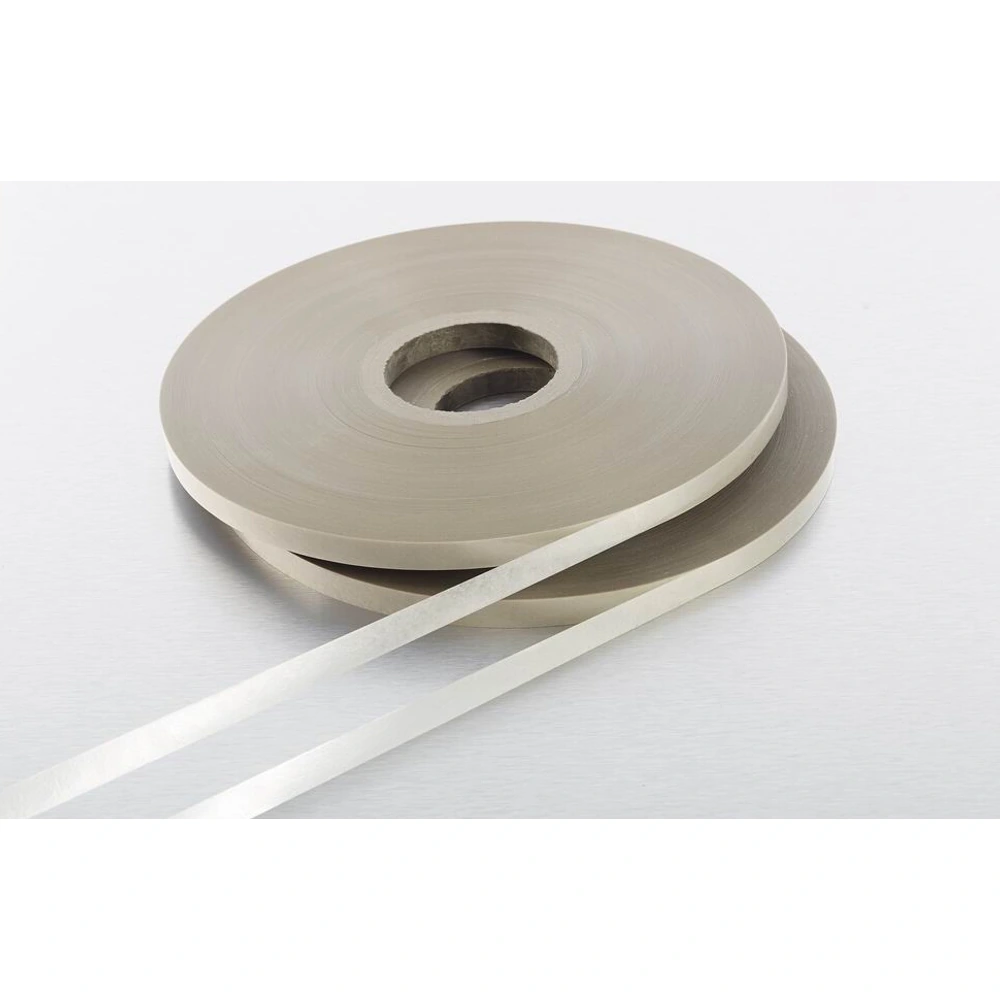
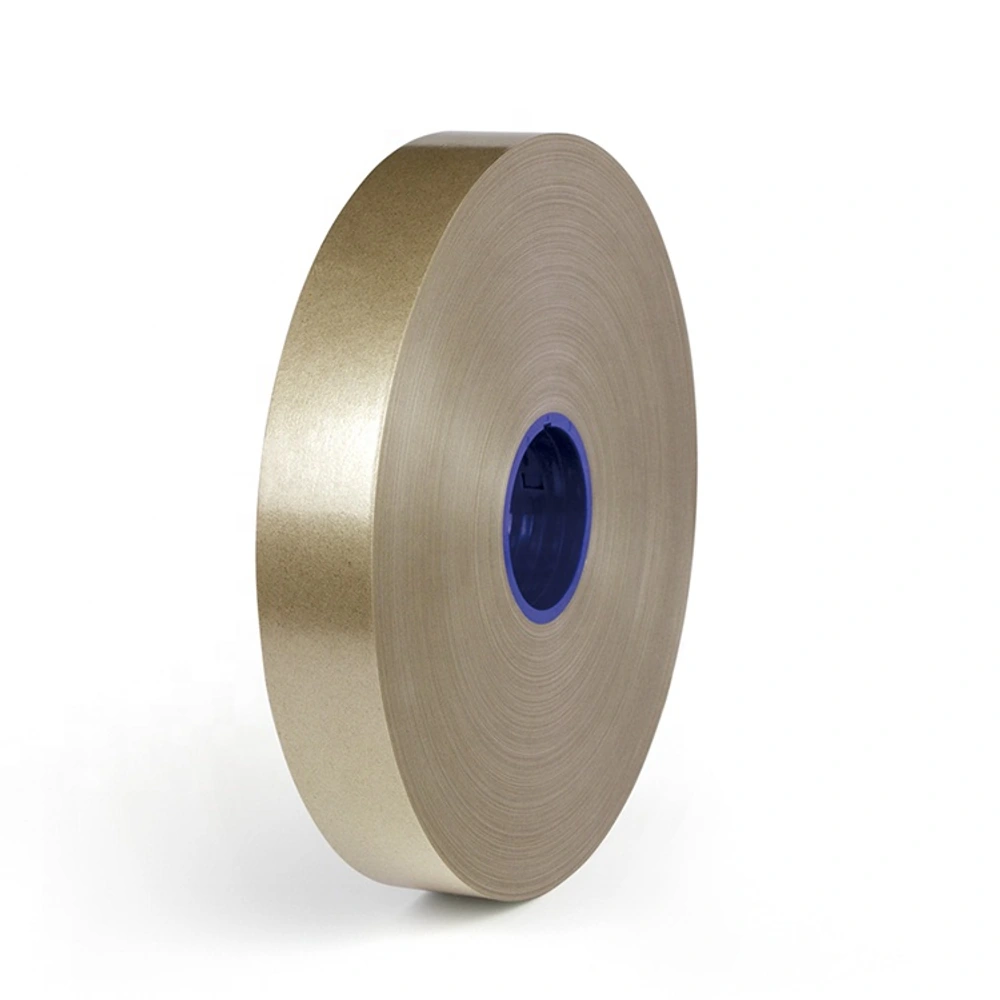
Customer-provided product-family photographs. Mineral grade, binder and reinforcement cannot be confirmed from appearance alone.
Reinforced tape based on heat-treated natural muscovite, evaluated as part of a cable insulation construction.
• Calcined natural muscovite route
• Mineral treatment distinguished from tape cure
• Reinforced paper and binder construction
• Cable geometry guides width selection
• Handling reviewed on the intended conductor
• Finished-cable evidence remains essential
Describe the complete tape
|
Element |
Definition to retain |
Why it matters |
|---|---|---|
|
Mica route |
Calcined natural muscovite |
Distinguishes treatment from synthetic origin. |
|
Backing |
Specified supporting layer |
Connects paper to handling requirements. |
|
Binder |
Finished bonding construction |
Does not follow automatically from calcination. |
|
Width and format |
Conductor and process-related requirements |
Defines the proposed wrapping material. |
Separate common assumptions
|
Topic |
Correct review |
Do not infer |
|---|---|---|
|
Calcined |
Treatment of the mica constituent |
The delivered tape requires an arbitrary cure. |
|
Flexibility |
Behaviour of the complete tape on the conductor |
Every backing handles identically. |
|
Heat performance |
Finished tape and cable evaluation conditions |
A mineral statement is a cable rating. |
|
Substitution |
Construction, process and intended duty |
Matching width proves equivalence. |
Understanding Calcined Muscovite Mica Tape
Calcined muscovite mica tape uses heat-treated natural muscovite as its mica constituent. The material is formed into paper and combined with reinforcement and a bonding system to create a usable tape. Calcined describes the mineral-processing route; it does not independently describe every manufacturing step or service property of the finished product.
This distinction is useful when comparing the tape with phlogopite and synthetic mica options. Calcined muscovite remains a natural-mineral route, while synthetic mica is manufactured as a different constituent. The final tape still needs to be compared through backing, binder and geometry, rather than assuming that the material name alone establishes a universal performance ranking.
The scope here is cable insulation wrapping. A selected construction can be assessed for the conductor and cable design under review, but the page does not transfer motor-coil cure requirements or another manufacturer’s fire test to the proposed product. The finished cable provides the context for evaluating the tape’s contribution.
Construction and Order Options
Define the reinforcement alongside the calcined mica paper. Glass or film support is part of the manufactured tape and its handling form, not a separate afterthought. The selected arrangement should suit the cable process and remain identified in comparisons, especially where an existing material is being replaced by a nominally similar mineral option.
Binder selection and process compatibility should remain distinct from the word calcined. Heat treatment of the mica constituent is not an instruction to bake, cure or modify a delivered tape. Identify the intended finished construction and manufacturing route rather than importing a procedure from a different mica product or application.
Width and roll format need to follow the conductor and wrapping arrangement. Review the proposed coverage on the actual geometry, including whether the tape remains flat without gaps or folds. A supplier’s listed width or thickness is not a universal standard, and a dimensional match alone does not establish equivalence between two constructions.
Application Review
Conductor insulation is a primary route for calcined muscovite cable tape. The material is evaluated as a reinforced layer within the wrapping arrangement. The drawing or process definition should connect width, coverage and neighbouring insulation materials rather than treating the mica paper as the complete cable system on its own.
Cable designs intended for fire exposure can compare calcined muscovite with other mica-based barrier constructions. The useful comparison includes the complete tape and finished cable, not only a mineral heat statement. Any performance conclusion should remain attached to the design and evaluation conditions that actually support it.
Production trials on smaller or more detailed conductor geometry can help assess whether a candidate construction handles appropriately. The relevant observations concern the actual wrap, such as continuity, folds and material damage. General claims that a mineral family is flexible do not eliminate the need to assess the selected reinforcement and binder in use.
Handling, Fit and Inspection
Maintain a clear distinction between a material’s production history and instructions for using it. Calcination identifies treatment of the mica constituent, while the finished tape has its own construction and process requirements. Do not infer a further heating or cure operation solely from the product name or an unrelated coil-tape description.
Inspect the tape and a representative wrap for visible damage and coverage problems. The backing, width and binder should be assessed as a combined product on the intended conductor. A smooth appearance before winding does not establish that the layer arrangement will remain appropriate after it is applied and incorporated into a cable.
When replacing another material, compare construction and process conditions rather than colour or mineral label alone. Retain the finished-cable requirements in the review and separate material selection from a claim of compliance. The selection tables below contain practical questions, not borrowed commercial tolerances or unverified Normanson temperature and fire ratings.
What does calcined mean in this product name?
Calcined identifies a heat-treatment route applied to the natural muscovite constituent used for the mica paper. It distinguishes that material route from an untreated natural mica description and from manufactured synthetic mica. The finished tape still includes reinforcement and a binder, so calcined is not a complete product specification. It also does not tell a cable manufacturer to apply an arbitrary heating or curing operation to the delivered roll. Keep mineral treatment, tape construction and subsequent cable processing as separate questions. A meaningful selection review identifies all three where relevant instead of assuming that one word determines handling, compatibility and finished-cable performance. It is also useful to keep calcination distinct from synthetic origin. Treating a natural constituent and manufacturing a different mica constituent are not interchangeable descriptions. Neither description, on its own, determines the backing arrangement or establishes how the delivered tape should be processed around a particular conductor.
How is calcined muscovite different from synthetic mica tape?
Calcined muscovite starts from a natural muscovite mineral that has undergone heat treatment, while synthetic mica uses a manufactured mica constituent. That is a useful distinction in the material route, but it does not provide a complete ranking of the finished tapes. Reinforcement, binder, thickness and the wrapping arrangement also matter. Compare equivalent constructions under the requirements of the intended cable rather than assuming one name always means a better product. A cable design may evaluate either route, but its conclusion should remain attached to the selected tape and complete construction. Another supplier’s mineral-level or cable-specific result cannot establish universal equivalence between the two families.
Does calcination tell us the finished tape cure state?
No. Calcination concerns the mica constituent, whereas cure state concerns a bonding system and its manufacturing or processing condition. Those are related to different stages of the product and should not be confused. A cable tape must be selected through its actual delivered construction and intended process, not through an assumed cure instruction inferred from the mineral name. This is especially important when comparing cable products with coil insulation intended for impregnation or press curing. Do not add a heating step merely because another mica product requires one. Review the complete material description and the cable-making route so the selected tape is assessed in the condition in which it will be used. A practical comparison can therefore list the mica route in one field and the delivered bonding construction in another. This prevents the mineral-processing label from hiding a separate process requirement. It also helps identify when two apparently similar tapes belong to different applications rather than assuming that a shared name establishes compatibility.
Why test the construction on the intended conductor?
The conductor geometry and wrapping arrangement determine how the tape forms a layer in the cable. A material that looks satisfactory on a roll may behave differently when applied around the intended shape, particularly at changes in geometry or coverage. A representative trial allows gaps, folds, uneven build or visible material damage to be considered alongside the proposed width and reinforcement. This does not replace evaluation of the finished cable, but it connects material selection with the manufacturing arrangement. The useful question is whether the complete tape construction works in that application, rather than whether a general description of calcined muscovite suggests flexibility or heat resistance.
Can the same width replace an existing mica tape?
The same width does not establish that two tapes are equivalent. The mica constituent, backing and binder may differ, and those differences can affect the relationship with the wrapping process. Compare the complete existing and proposed constructions, then review the intended coverage and the requirements of the finished cable. A representative wrapped component can help assess handling and visible continuity, but a successful fit alone does not prove that previous electrical or fire performance remains unchanged. Treat the change as a material-and-process review rather than a simple dimensional substitution. The product name and width are useful identifiers, not a complete statement of system performance.
What evidence supports a cable performance claim?
A performance claim should be supported by evidence for the relevant finished cable construction and evaluation conditions. A statement about calcined mica, a tape specimen or another manufacturer’s cable does not automatically apply to a different design. Keep the conductor, tape construction, wrapping arrangement and other insulation layers connected in the assessment. Also distinguish ordinary service conditions from exceptional fire exposure. This page describes a material family and selection considerations; it does not present unverified Normanson certificates or inherited test results. A technical comparison can guide development, but the claim made for a supplied cable must match the actual construction and evidence being relied upon.
Let Us Talk Now
Share your material, dimensions, quantity and application. We will review the details with you.