
Synthetic Mica Tape
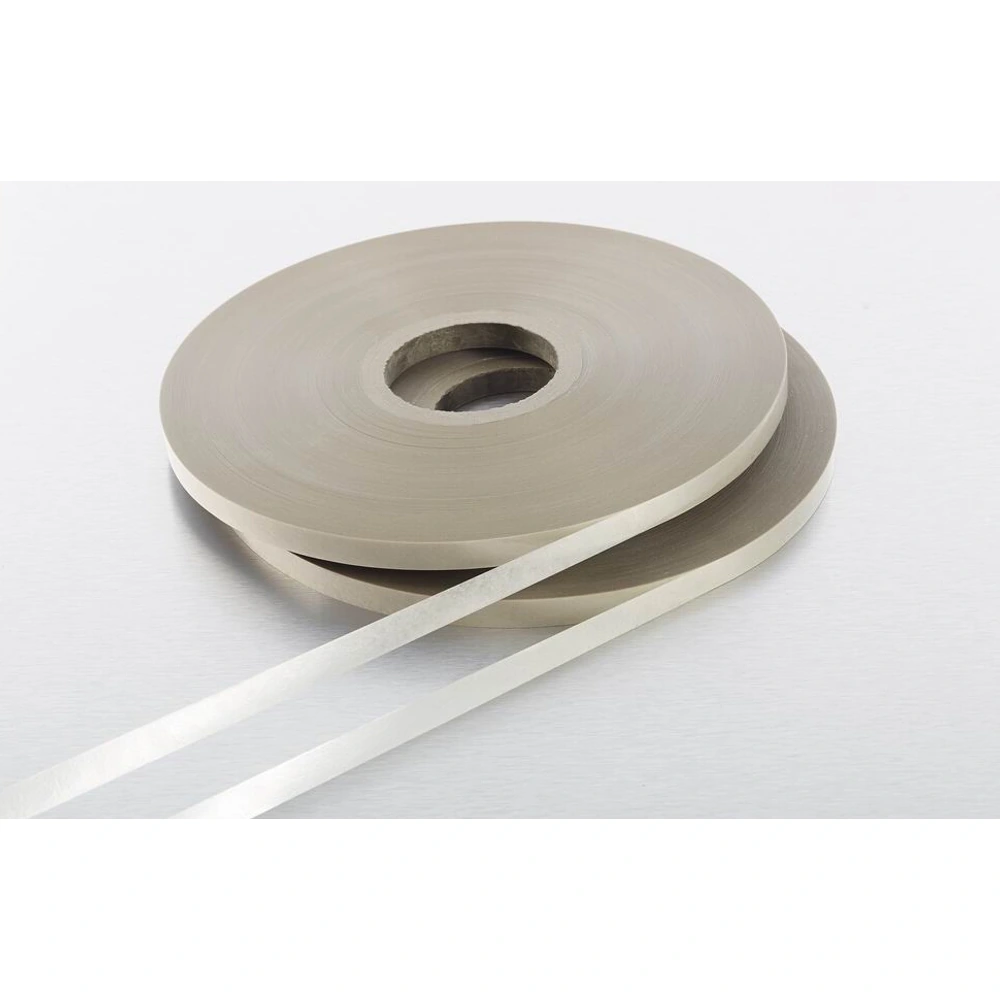
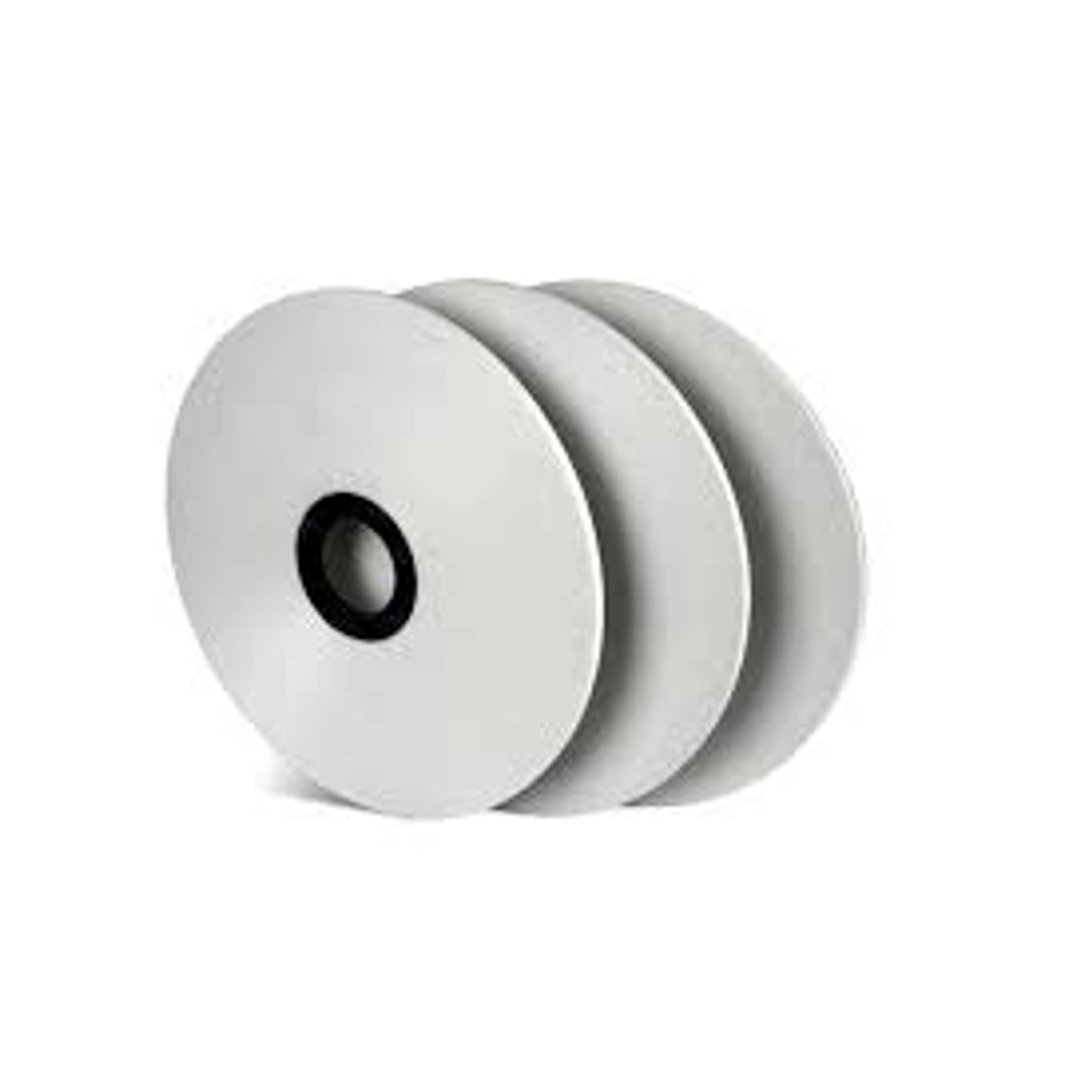
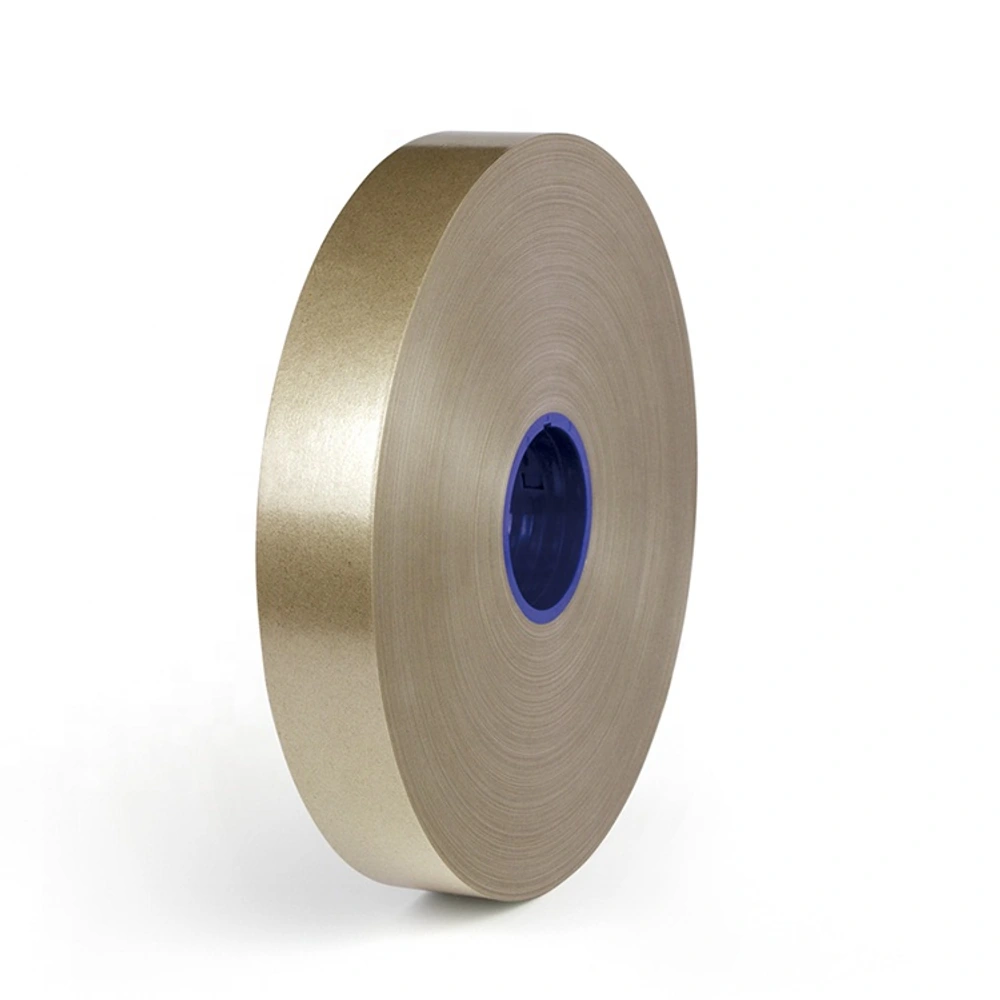
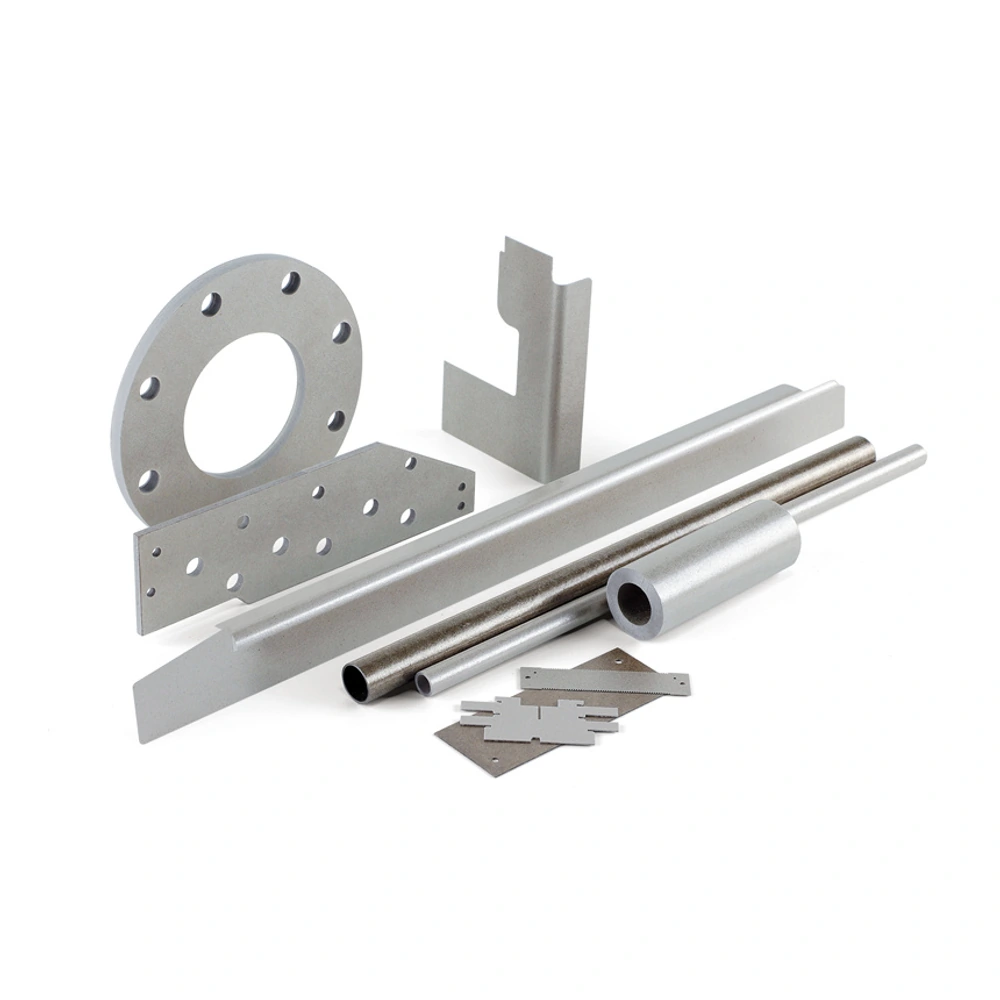
Customer-provided product-family photographs. Mineral grade, binder and reinforcement cannot be confirmed from appearance alone.
Manufactured-mica reinforced tape for evaluation in demanding cable insulation constructions.
• Manufactured mica constituent
• Distinct from calcined natural muscovite
• Backing and binder remain part of selection
• Cable wrapping as the application focus
• Geometry and coverage assessed together
• No mineral-only claim of system performance
Specify the synthetic-mica construction
|
Element |
Describe |
Keep separate from |
|---|---|---|
|
Mica origin |
Manufactured mica paper constituent |
Natural mica with heat treatment. |
|
Backing |
The selected supporting layer arrangement |
The mica constituent alone. |
|
Binder |
The bonding system within the tape |
An assumed adhesive or coil cure instruction. |
|
Width and format |
Requirements of the actual wrapping process |
A finished cable rating. |
Compare a proposed substitution
|
Comparison |
Review requirement |
Evidence focus |
|---|---|---|
|
Natural to synthetic route |
Identify all changes in construction |
Not only the mineral name. |
|
Handling on conductor |
Observe coverage and material condition |
Representative wrapping arrangement. |
|
Thermal duty |
Separate service exposure and fire evaluation |
Conditions relevant to the finished cable. |
|
Performance conclusion |
Assess the complete insulation system |
No automatic transfer of previous test results. |
Understanding Synthetic Mica Tape
Synthetic mica tape uses a manufactured mica constituent rather than relying on a natural phlogopite or calcined muscovite route. The mica is incorporated into a paper layer and combined with supporting reinforcement and a bonding system. The result is a tape construction to evaluate within a cable, not a stand-alone equipment or fire rating.
The synthetic route is often considered when comparing materials for demanding thermal conditions, but the name does not remove the influence of backing, binder or geometry. A complete product description should identify those features rather than assume that all synthetic mica tapes have identical handling characteristics or performance in every wrapped construction.
This page focuses on cable-material selection. It distinguishes synthetic mica from synthetic polymer tape and from heat-treated natural muscovite. Those terms describe different constituents or processing routes. The useful comparison concerns the selected reinforced tape and the cable in which it will be used, rather than a universal claim that one family is always superior.
Construction and Order Options
Define the reinforcement and binder alongside the synthetic mica paper. Supporting layers are part of the usable material and its relationship with the wrapping process. A change from a natural-mica tape may therefore require more than keeping the old width, especially if the proposed backing or bonding construction is also different.
Width should be selected with conductor geometry, wrapping angle and intended coverage. Review the complete construction on a representative component instead of assuming that a mineral’s thermal properties guarantee easy processing. Gaps, folds and visible damage are meaningful observations when assessing whether the chosen tape can form the intended layer arrangement.
Supply format should match the handling arrangement without being confused with a performance grade. Roll dimensions and tape width are product requirements, not evidence that a cable meets a fire or electrical classification. Keep the selected construction, processing arrangement and final evaluation requirements linked throughout the material comparison.
Application Review
Cable designs addressing demanding heat exposure may compare synthetic mica with natural-mica alternatives. The purpose is to identify a construction suited to the particular cable, not to select by a mineral melting or temperature statement alone. The backing, binder and finished system remain part of the engineering assessment.
Conductor wrapping uses the tape as one insulating layer in a wider construction. Define coverage and the relationship to other materials around the conductor. A continuous-looking layer can be an important process observation, but it does not independently establish the electrical or fire performance of the complete cable.
Material substitution projects may evaluate synthetic mica as an alternative to a previously selected natural-mica tape. Such a comparison should retain the original cable duty and identify every construction change. Similar width or appearance should not hide a difference in reinforcement, binder or intended processing conditions that deserves separate review.
Handling, Fit and Inspection
Treat synthetic mica tape as a layered product rather than an indestructible high-temperature material. Its constituent choice does not justify ignoring handling condition, backing or winding compatibility. Review the proposed process and keep the product description available when assessing the material on the intended conductor or cable component.
Inspect representative wrapping for coverage continuity, folds, gaps and visible tape damage. The observations should be tied to the actual width and construction, not general claims about synthetic mica. If processing changes are proposed, assess them as part of the wrapping arrangement rather than importing an instruction from an unrelated tape system.
Keep approval evidence specific to the finished construction. A material change, even one intended to improve thermal capability, does not automatically preserve or upgrade a cable result. The tables below organise comparison and evaluation questions without assigning unverified numerical ratings, certificates or competitor test results to Normanson products.
What does synthetic mean for this mica tape?
Synthetic refers to the manufactured mica constituent used in the tape, not simply to any polymer film or man-made backing. The mica is incorporated into a paper layer and combined with reinforcement and a bonding system to create the usable product. This distinguishes it from natural phlogopite and heat-treated natural muscovite routes. The distinction is useful for material selection but does not describe every feature of the finished tape. Identify backing, binder and geometry as well, then assess the construction in the intended cable. A mineral-origin label is not a complete specification or a stand-alone claim of electrical, thermal or fire performance.
Is synthetic mica automatically the best cable option?
No material family is automatically the best choice for every cable. Synthetic mica is a relevant route to evaluate for demanding thermal requirements, but the finished tape must also suit the conductor geometry, reinforcement, binder and wrapping process. A construction chosen for one application may not be an equivalent substitute in another. Compare complete products against the intended cable duty rather than selecting solely by a headline mineral temperature. The useful outcome is a tape that works within the manufacturing arrangement and the finished system’s requirements. A higher claimed property of one constituent does not remove the need for evaluation of the complete insulation construction. Consider the difference between selecting a candidate for testing and approving a replacement in a known design. The synthetic route can be a reason to evaluate a material, but it is not itself the evidence that the changed cable will behave as required. Keep that boundary clear when reviewing supplier information or discussing an intended upgrade.
How does it differ from calcined muscovite tape?
Synthetic mica uses a manufactured mica constituent, whereas calcined muscovite uses natural muscovite that has undergone heat treatment. These are different material routes, not two names for the same processing step. In both cases, the finished tape still includes a supporting layer and binder. Compare those details alongside width, coverage and the cable-making process before deciding whether a substitution is appropriate. The mineral distinction can help structure the review, but it does not establish a universal performance ranking or a finished-cable rating. Evidence for the actual reinforced construction and intended cable conditions is more useful than treating the product names as complete technical specifications.
Can the previous wrapping settings be kept unchanged?
They should not be assumed suitable solely because the replacement tape has the same width. A synthetic-mica construction may differ from the previous product in reinforcement, binder or other aspects of the layered material. Those differences should be considered in relation to conductor geometry and the intended coverage. Review a representative wrap for gaps, folds, uneven build or visible damage and keep the complete cable requirements attached to the assessment. This does not mean every change requires the same response; it means equivalence should be evaluated rather than presumed. A material substitution is more than a change of mineral label on an otherwise automatically approved process.
Does a mineral heat limit establish the tape service temperature?
No. The tape is a composite construction containing more than mica, and it is used within a cable containing additional components. A statement about the mineral does not fully describe the backing, binder or finished system under service conditions. It is also important to distinguish sustained operation from exceptional heat or fire exposure. Compare technical information that matches the relevant construction and conditions rather than borrowing the highest number associated with the constituent. The material family can guide selection, but the service conclusion must concern the actual product and use. A mineral heat limit cannot independently establish a verified Normanson tape or cable rating. This distinction also avoids confusing material resistance to an exceptional event with the conditions under which a complete cable is intended to operate routinely. The backing, binder and surrounding materials remain present in the product under review, so the assessment should not remove them conceptually and evaluate only the mica constituent.
What should be checked when qualifying a synthetic mica tape?
Qualification should connect the material description, wrapping arrangement and finished-cable requirements. Identify the synthetic mica construction, backing, binder, width and supply form, then assess how the product is applied to the intended conductor. Review coverage and visible material condition using a representative setup rather than relying only on a roll inspection. Keep the relevant electrical and thermal evaluation conditions attached to the cable design. If the tape replaces another material, identify the changed features explicitly. The purpose is to establish evidence for the proposed construction in use, not to assume that a synthetic constituent or another supplier’s test result automatically qualifies the new cable.
Let Us Talk Now
Share your material, dimensions, quantity and application. We will review the details with you.